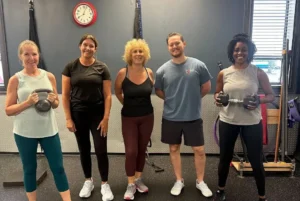

Functional fitness exercises are designed to enhance the strength and mobility needed for daily activities, making everyday tasks easier and safer. These exercises focus on improving the performance of movements we already do in our daily lives, thereby promoting long-term health and well-being. This article delves into the significance of functional fitness exercises, outlines effective routines, and explores how integrating these practices into daily life can enhance overall functional capacity. Many individuals struggle with maintaining physical health and mobility, which can be exacerbated by a sedentary lifestyle.
Functional fitness offers a solution, leveraging targeted workouts to improve strength, flexibility, and coordination. Throughout this article, we will examine various aspects of functional fitness, including definitions, effective routines, daily movement exercises, and the crucial role of nutrition in supporting these activities.
What Are Functional Fitness Exercises and Why Are They Essential for Daily Living?
Functional fitness exercises are movements that mimic the activities of daily life. They focus on multi-joint activities, engaging multiple muscle groups to improve strength, mobility, and balance. This type of training is essential as it prepares the body for everyday tasks, reduces the risk of injuries, and promotes overall health. By incorporating these exercises into one’s routine, individuals can enhance their ability to perform daily activities, such as lifting groceries or climbing stairs, which can often become taxing as they age.
How Does Functional Training Improve Everyday Strength and Mobility?
Functional training improves everyday strength and mobility by focusing on exercises that enhance the body’s performance in daily tasks. This training encourages movements that require the coordination of various muscle groups, which enhances muscle strength and functional endurance. For instance, exercises such as squats or deadlifts strengthen the legs and core, making activities like standing up or picking up objects easier and safer. Moreover, functional training promotes better posture and balance, which are critical for preventing falls and injuries in daily life.
Which Scientific Evidence Supports Functional Fitness for Daily Activities?
Research studies underscore the benefits of functional fitness exercises in improving day-to-day strength and mobility. For example, a systematic review published in a leading journal found that participants who engaged in regular functional training reported improved functional capacity and decreased risk of injury. Many experts argue that the comprehensive approach of functional fitness training effectively prepares individuals for the physical demands of everyday life, confirming that incorporating these exercises yields significant benefits for health and life quality.
What Are the Most Effective Functional Training Routines to Build Everyday Strength?

Numerous functional training routines are effective in building strength and enhancing functional mobility. These routines typically involve bodyweight exercises and resistance training, which are approachable for various fitness levels and can be customized. Fitness programs are also available for those looking for structured guidance.
How to Perform Practical Strength Workouts Using Bodyweight and Resistance Training
Practical strength workouts can effectively utilize bodyweight and resistance training to build functional strength. Exercises like push-ups, lunges, and planks help develop core stability and functional strength. For example, to do a bodyweight squat, stand with feet shoulder-width apart, lower your body as if sitting back into a chair, and then push back up to the starting position. Incorporating resistance bands or weights can enhance these exercises, providing additional challenges that promote muscle growth and stability.
Which Functional Movement Patterns Should Be Included in Strength Conditioning?
Key functional movement patterns that should be included in strength conditioning comprise squatting, lifting, pushing, pulling, and rotating. These patterns directly translate into everyday actions, making them essential for overall fitness. For instance, squats promote better mobility when sitting and standing, while rotational movements enhance responsiveness during everyday twisting tasks. Understanding and practicing these movement patterns can lead to improved performance in daily activities and reduced injury risks.personal training
How Can Daily Movement Exercises Enhance Functional Fitness and Mobility?
Incorporating daily movement exercises promotes functional fitness by encouraging regular activity throughout the day. Simple movements, such as walking, climbing stairs, or doing light stretches, significantly contribute to overall mobility and strength.
What Are Effective Mobility and Balance Exercises for Everyday Function?
Effective mobility and balance exercises include stretches, yoga, and specific balance drills. For example, performing a standing balance exercise by shifting weight from one leg to another can enhance stability. Additionally, yoga poses such as the tree pose or warrior pose greatly improve balance and core strength, aiding in the prevention of falls. By routinely practicing these exercises, individuals can enhance their coordination and mobility, making daily tasks more manageable.
How to Incorporate Functional Fitness into Daily Life Activities
Integrating functional fitness into daily life can be accomplished by embedding movement into everyday tasks. Simple strategies such as taking the stairs instead of the elevator, performing squats while picking up objects, or doing stretching exercises during breaks can significantly help. Additionally, scheduling dedicated workout sessions focusing on functional exercises can reinforce these habits, making active living a central part of one’s lifestyle.
Why Are Personalized Functional Fitness Programs Important for Achieving Everyday Strength Goals?

Personalized functional fitness programs can be vital in achieving specific strength goals tailored to individual needs, abilities, and lifestyles. These programs allow for tailored exercises that cater to personal objectives and physical limitations, ultimately leading to more effective outcomes.
How Does Personalized Coaching Improve Functional Training Outcomes?
Personalized coaching enhances functional training outcomes by offering tailored attention to individual progress and adjustments. Coaches can provide specific feedback and modify workout intensities based on performance, which fosters motivation and accountability. For instance, a tailored program might emphasize strengthening areas where an individual often feels fatigued or weak, ensuring that all aspects of fitness are effectively addressed. fitness programs
What Features Should a Functional Fitness Program Include for Optimal Results?
An effective functional fitness program should incorporate a variety of essential features, including regular assessments, progress tracking, flexibility in workout design, and professional guidance. This ensures that the program evolves with the individual’s growing abilities while maintaining engagement. Programs that adapt to progress keep clients motivated and more likely to succeed in achieving their strength goals.
What Role Does Nutrition Play in Supporting Functional Fitness for Everyday Living?
Nutrition is a pivotal component of supporting functional fitness as it fuels the body for exercise and recovery. A balanced diet rich in proteins, healthy fats, and carbohydrates can enhance performance and promote effective recovery. Nutrition is a pivotal
How Can Nutrition Enhance Strength, Mobility, and Recovery?
Proper nutrition enhances strength by providing the necessary building blocks for muscle repair and growth. Adequate protein intake is essential for post-workout recovery, and carbohydrates supply the energy needed during workouts. Moreover, staying hydrated is crucial for maintaining mobility and supporting overall body function, directly impacting daily performance.
Which Nutritional Strategies Complement Functional Training Routines?
Nutritional strategies that complement functional training routines should include a focus on whole foods, timing meals appropriately around workouts, and considering supplement options when necessary. For example, consuming a meal rich in protein and complex carbohydrates after workouts can help with recovery, while ensuring adequate hydration throughout the day plays a role in maintaining performance and overall functional capability. about us
How Do Functional Fitness Programs Address Injury Prevention and Support Long-Term Health?
Functional fitness programs are designed not only to improve strength but also to mitigate injury risks and support long-term health. By focusing on balance, coordination, and mobility, these programs directly address factors contributing to falls and injuries in everyday life. fitness programs
What Exercises Help Prevent Common Injuries Through Improved Functional Movement?
Exercises that enhance functional movement patterns, such as balance training and core-strengthening exercises, can significantly reduce injury risks. For instance, single-leg balances and stability ball exercises improve coordination and strength, which protect against falls. Promoting awareness of body mechanics during physical activities is also crucial in preventing common injuries related to improper lifting or awkward movements.
How Do Wearable Technologies Support Functional Fitness Progress and Safety?
Wearable technologies play a significant role in enhancing functional fitness progress and ensuring safety during workouts. Devices that track activity levels, monitor heart rates, and provide feedback on form help individuals stay aware of their physical activity and performance. With these insights, users can adjust their routines or seek guidance if necessary, creating a safer and more effective approach to functional fitness.
This approach is empirically supported by studies demonstrating significant improvements in physical performance metrics.
Effects of Periodized Functional Strength Training on FMS Scores
ABSTRACT: AbstractBackground and Study Aim: To examine the effects of periodized functional strength training (FST) on FMS scores of sport university students with higher risk of injury.Material and Methods: Thirty three participants (age 21.6±1.3 years, height 177.8±6.9 m, mass 80.4±7.7 kg) with FMS total score ≤ 14 were selected from eighty two volunteered students of University of Physical Education and Sport in Gdańsk and randomly assigned to experimental group (n=16) and control group (n=17). The FMS test was conducted one week before and one week after the 12 week training intervention. The experimental group participated in FST program through 12 weeks. The control group did not engaged in any additional physical activity than planned in their course of study. The collected data were analysed using Statistica 13.3 pl (StatSoft Inc). Wilcoxon signed rank test was used to establish the statistical significance of the difference between FMS total scores within each group and Mann WhitEffects of a periodized functional strength training program (FST) on Functional Movement Screen (FMS) in physical education students, 2020
Frequently Asked Questions
1. How often should I perform functional fitness exercises?
To achieve the best results, it’s advisable to engage in functional fitness exercises at least 2-3 times per week. This frequency allows your muscles to adapt and recover while improving strength and mobility. However, you can integrate lighter movements, such as walking or stretching, daily to maintain overall activity levels. Listen to your body and adjust your routine based on personal fitness goals, ensuring a balance of challenge and recovery to prevent overtraining.
2. Can beginners safely start with functional fitness?
Yes, beginners can safely start with functional fitness. It’s designed to be adaptable for all fitness levels, allowing newcomers to gradually progress. Begin with basic movements such as bodyweight squats, lunges, and planks, focusing on proper form and technique. Working with a trainer can provide guidance and personalized modifications. As you build strength and confidence, you can incorporate more complex movements and resistance training into your routine.
3. Are functional fitness exercises suitable for seniors?
Absolutely, functional fitness exercises are particularly beneficial for seniors. They can improve strength, balance, and mobility, which are crucial for maintaining independence. Low-impact movements can be tailored to individual capabilities to minimize injury risk. Engaging in functional exercises helps seniors enhance daily activities like standing up or walking up stairs, ultimately supporting better quality of life. Always consult healthcare professionals before starting any new exercise program.
4. What equipment is best for functional fitness training?
Functional fitness can be performed with minimal equipment. Key tools include resistance bands, dumbbells, and stability balls, which add variety and intensity to workouts. Bodyweight exercises require no equipment at all, making them accessible anywhere. Additionally, items like kettlebells and medicine balls can also be integrated for functional training. Choosing versatile equipment can help create diverse routines that focus on different movement patterns and muscle groups.
5. Can functional fitness help with rehabilitation from injuries?
Functional fitness is often beneficial for rehabilitation as it emphasizes movement patterns crucial for daily tasks. By focusing on core strength, stability, and mobility, individuals can safely regain function after injury. It’s essential to work closely with a healthcare provider or a physical therapist, who can tailor exercises to avoid further injury and ensure a safe recovery. Gradually increasing intensity while maintaining proper form will enhance the rehabilitation process.
6. How do I track my progress in functional fitness?
Tracking progress in functional fitness can be achieved by setting specific fitness goals, such as increased strength or improved balance. Regularly evaluating your performance through functional movement tests, keeping a workout journal, or using fitness apps can help monitor advancements. Consider taking note of repetitions, weight lifted, or exercise durations. Additionally, periodic assessments by a trainer can provide insights into your development and help adjust your training program effectively.
7. Is it necessary to warm up before functional fitness workouts?
Yes, warming up before functional fitness workouts is essential. A proper warm-up increases blood flow to muscles, enhances flexibility, and reduces the risk of injury during intense activities. Spend about 5-10 minutes engaging in light cardiovascular exercises like jogging or dynamic stretches. This helps prepare both your body and mind for the workout, improving overall performance and allowing your muscles to function optimally throughout the training session.
Conclusion
Incorporating functional fitness exercises into your routine enhances strength, mobility, and overall well-being, making daily tasks easier and safer. This proactive approach not only improves physical capacity but also promotes long-term health by reducing injury risks associated with a sedentary lifestyle. To fully experience these benefits, start integrating these exercises into your daily life today. Discover our range of personalized functional fitness programs designed to meet your specific needs and optimize your journey to better health.