As we age, maintaining functional strength and mobility becomes increasingly essential for overall health and well-being. Kettlebell workouts stand out as an excellent choice for adults over 40, providing a full-body workout that enhances muscle strength, stability, and flexibility. This guide explores safe kettlebell practices, essential exercises, and injury prevention techniques tailored specifically for older adults. Readers will learn how to select the right kettlebell weight, recognize effective beginner exercises, and progress their training safely over time.
We will discuss critical factors such as proper form and weight selection to ensure effective and injury-free workouts. The article will delve into recommendations for functional exercises that improve balance while also answering common queries about kettlebell training for seniors.
Which Beginner Kettlebell Exercises Are Best for Adults Over 40?
Kettlebell exercises serve as a dynamic and efficient way for adults over 40 to build strength and increase endurance. Selecting the appropriate exercises is crucial, particularly as older adults may face unique physical challenges. Exercises like the kettlebell swing, goblet squat, and deadlift not only enhance strength but also promote functional movement patterns. Safety considerations are paramount, and understanding the benefits and proper techniques for each exercise can help mitigate risks while maximizing effectiveness.
What Are the Key Steps to Start Beginner Kettlebell Training Safely?
Starting kettlebell training involves several essential steps to ensure safety and effectiveness. First, it’s crucial to incorporate a proper warm-up to prepare the body for the physical demands of kettlebell workouts. This can include dynamic stretches and light movements to increase heart rate. Additionally, beginners should focus on learning basic kettlebell handling techniques—a firm grip and controlled movements are vital. Finally, incorporating cooldown techniques after workouts helps in recovery and muscle maintenance, further promoting safe training practices.
How Do Kettlebell Exercises Improve Functional Strength in Seniors?
Kettlebell exercises significantly enhance functional strength, which refers to the ability to perform everyday activities safely and efficiently. By incorporating movements that mimic daily tasks, such as lifting, squatting, and swinging, kettlebell workouts help seniors maintain mobility and strength. Research has shown that engaging in these exercises leads to improved muscular strength as well as enhanced balance and coordination. The physiological benefits translate into better independence and quality of life for older adults by supporting their daily activities more effectively.
How Can Adults Over 40 Select the Right Kettlebell Weight and Equipment?
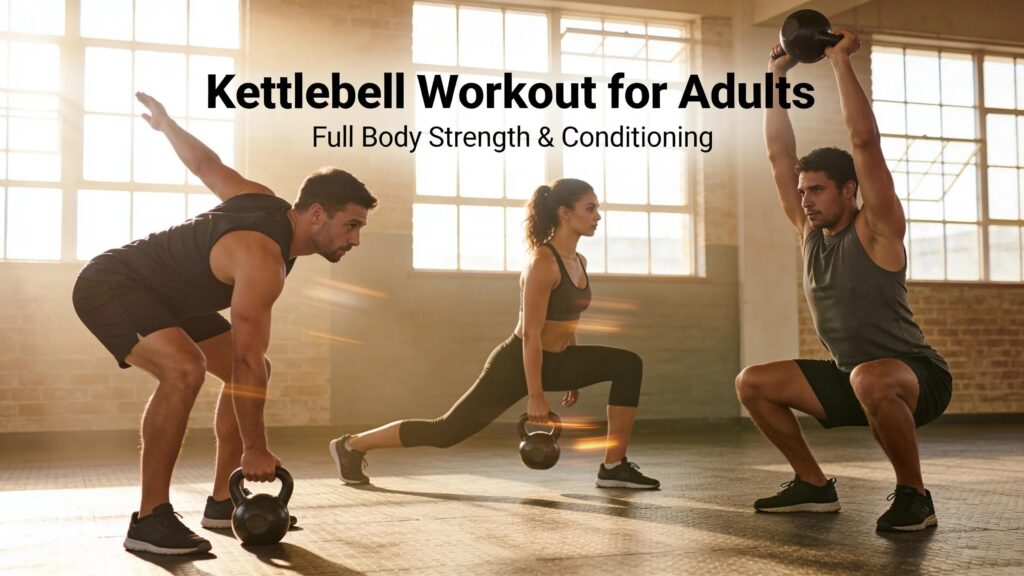
Selecting the appropriate kettlebell weight is essential for safe training and effective workouts. Factors such as individual fitness level, strength, and prior experience play a critical role in determining the right weight. Generally, beginners over 40 may start with a 15-pound kettlebell for women and a 20-pound kettlebell for men but should adjust based on comfort and ability. Special features of kettlebells, such as handle width, weight distribution, and coatings can also impact usability and safety, making informed choices crucial for kettlebell workout.
What Factors Determine the Ideal Kettlebell Weight for Beginners Over 40?
Several factors influence the ideal kettlebell weight for older adults starting their fitness journey. Primarily, current physical condition and prior exercise experience shape the selection. Those who are new to strength training should begin with lighter weights to focus on form and movement quality, reducing injury risk. Furthermore, consulting with a fitness professional can provide personalized recommendations based on individual capabilities. Adjusting weight based on ongoing assessment of strength gains and comfort is another important factor for promoting a successful training regimen.
Which Kettlebell Types and Features Enhance Safety and Effectiveness?
Choosing the right type of kettlebell involves understanding different designs and features that enhance safety for older adults. Rubberized kettlebells, for instance, minimize the risk of injury by reducing the chance of damage if dropped. Additionally, kettlebells with wider handles improve grip stability, which is crucial for maintaining control during exercises. Weight distribution that keeps the center of gravity closer to the base can further enhance safety, making these kettlebell features important for effective and secure workouts.
What Injury Prevention Techniques Are Essential During Kettlebell Workouts for Seniors?
Preventing injuries during kettlebell workouts revolves around understanding and implementing proper techniques. Key injury prevention techniques involve maintaining correct form to minimize stress on joints, as improper posture can lead to strains or injuries. Moreover, seniors should be aware of their limits and avoid pushing beyond their current capabilities. Integrating these practices ensures that workouts remain safe and beneficial without unnecessary risk.
How Does Proper Form Minimize Joint Stress and Injury Risks?
Proper form in kettlebell training is critical as it directly affects joint health. For example, maintaining a neutral spine and proper alignment during swings and lifts helps reduce undue stress on the lower back. Demonstrating the difference between good and poor form can serve as a valuable lesson for beginners, emphasizing the importance of posture and alignment. Ultimately, focusing on these aspects can lead to better workout outcomes and reduce the likelihood of injuries over time. Kettlebell workout
What Safety Guidelines Should Older Adults Follow When Training with Kettlebells?
Older adults should adhere to several safety guidelines when incorporating kettlebells into their fitness routine. Key practices include starting with a proper warm-up, ensuring hydration before and during workouts, and using appropriate weight. Utilizing personal trainers for guidance can provide the necessary expertise and support to maximize effectiveness while ensuring safety. Following these guidelines not only prevents injuries but enhances the overall experience of kettlebell training.
Which Functional Strength and Mobility Exercises Enhance Balance for Adults Over 40?
Incorporating functional strength and mobility exercises into kettlebell routines can significantly enhance balance for adults over 40. Effective balance training often combines strength activities with stability exercises, promoting coordinated movements. Kettlebell exercises that focus on unilateral movements—where only one side of the body is engaged—enhance proprioception and stability, contributing to improved balance and fall prevention.
How Do Kettlebell Workouts Support Improved Mobility and Balance in Seniors?
Kettlebell workouts target multiple muscle groups and functional movement patterns that enhance mobility and balance in seniors. For instance, exercises like the kettlebell single-arm row and forward lunge require the body to engage core stabilizers, improving overall balance. The kinetic chains involved in these movements help build the muscular strength needed for everyday activities and provide an excellent foundation for continued mobility as one ages.
What Are Recommended Balance-Focused Kettlebell Exercises for Beginners?
A few balance-focused kettlebell exercises are particularly beneficial for beginners looking to enhance stability. The kettlebell single-leg deadlift is a great way to challenge balance while strengthening the posterior chain, including hamstrings and glutes. Another recommended exercise is the kettlebell overhead press, which encourages core engagement and stabilization while promoting upper body strength. By integrating these exercises into their workouts, beginners can improve balance effectively and safely.
How Should Adults Over 40 Progress Their Kettlebell Training Safely Over Time?
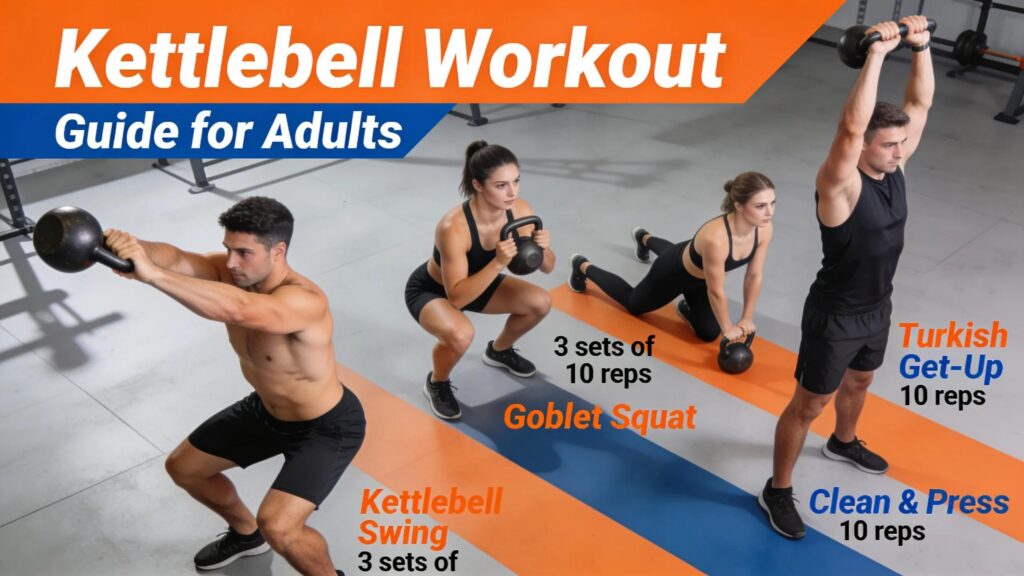
Progressing kettlebell training safely involves a systematic approach where individuals gradually increase their challenge based on strength gains and comfort levels. Beginners should focus on slowly advancing their weight, improving form, and enhancing exercise complexity over time. Recognizing the signs that indicate readiness to progress ensures safety and enhances the effectiveness of the kettlebell workout.
What Are Effective Progression Plans Based on Fitness Levels?
Creating effective progression plans requires understanding individual fitness levels and adapting training accordingly. For beginners, a plan could include mastering basic exercises at a lighter weight before gradually increasing resistance. Intermediate levels may introduce more complex movements such as the kettlebell snatch, emphasizing the development of technique and strength. Those at advanced levels can incorporate varied formats, including higher repetitions and circuit styles, ensuring continual challenges without compromising safety.
When and How Should Kettlebell Weight Be Increased to Maximize Benefits?
Increasing kettlebell weight should align with physical adaptations and comfort levels. It’s typically recommended to increase weights once an individual can complete their current routine comfortably with proper form. Signs of readiness include reaching the last few reps feeling too easy or a noticeable lack of challenge in the workout. Implementing gradual increments, such as 2-5 pounds at a time, can help ensure muscular adaptation without causing injury. For more information, check out the fitness programs.
What Are Common Questions and Evidence-Based Answers About Kettlebell Training After 40?
As adults over 40 explore kettlebell training, several common questions arise regarding its safety, effectiveness, and overall benefits. Addressing these queries with evidence-based answers helps provide reassurance. Understanding that kettlebell training offers unique benefits specific to older adults can enhance motivation and compliance with fitness routines.
What Are the Proven Benefits of Kettlebell Training for Adults Over 40?
Kettlebell training demonstrates numerous benefits specifically for adults over 40. Evidence shows that regular engagement in kettlebell exercises can lead to improved muscular strength, enhanced cardiovascular endurance, and increased flexibility. Furthermore, engaging in strength training like this has been linked to improvements in mood, mental health, and overall life satisfaction. These proven benefits highlight the value of kettlebell workouts for maintaining health and functionality as one ages.
How Can Injury Risks Be Minimized Even for Beginners?
To minimize injury risks during kettlebell training, beginners should emphasize learning correct form and starting at an appropriate weight. Regular check-ins with health coaches or trainers provide additional support and accountability. A well-structured warm-up and cooldown can also help prepare the body for exercise and facilitate recovery. By prioritizing these preventative measures, even beginners can safely enjoy the numerous benefits of kettlebell training.
Frequently Asked Questions
What Should Seniors Consider When Choosing a Kettlebell?
Seniors should prioritize comfort and functionality when selecting a kettlebell. It’s essential to consider factors such as handle width for grip stability, weight distribution for better control, and material to minimize injury risks. Opting for kettlebells with rubberized exteriors can help prevent damage if dropped. Moreover, personal factors including fitness level, previous exercise history, and any existing health conditions should guide the weight selection process, allowing for a safer and more effective training experience.
How Often Should Seniors Practice Kettlebell Workouts?
For optimal results without overexertion, seniors should aim for 2-3 kettlebell workouts sessions per week. This frequency allows time for muscle recovery while promoting strength development and overall fitness. It’s important to allow for rest days between workouts and to incorporate flexibility and active recovery days. Listening to the body and adjusting workout frequency based on energy levels, soreness, and overall health is key to maintaining a sustainable regimen.
Can Kettlebell Training Help Prevent Age-Related Injuries?
Yes, kettlebell training can play a significant role in preventing age-related injuries. By focusing on functional strength, balance, and flexibility, these workouts help improve stability and coordination, reducing the risk of falls. Additionally, strengthening core and supporting muscles around joints decreases wear and tear, which commonly leads to injuries in older adults. Including mobility exercises in kettlebell routines further supports joint health and enhances overall movement patterns, making them safer.
What Should Seniors Do If They Experience Pain During Kettlebell Training?
Experiencing pain during kettlebell training can be a sign of improper form or overexertion. Seniors should immediately stop the exercise and assess the source of pain. If discomfort persists, it’s vital to consult a healthcare provider or physical therapist to evaluate potential underlying issues. Modifications to correct technique or adjusting the weight being used can help manage discomfort. Continuous monitoring and listening to one’s body are essential for safe training.
Are There Specific Warm-Up Exercises Recommended Before Kettlebell Workouts?
Absolutely. Effective warm-up exercises are crucial to prepare the body for kettlebell workouts. Seniors should incorporate dynamic stretches such as leg swings, arm circles, and torso twists to increase mobility. Light aerobic activities, like marching in place or gentle jogging, can elevate the heart rate. This preparation helps to enhance blood flow to muscles, improve joint mobility, and reduce the risk of injuries, setting the stage for a successful workout.
What Recovery Techniques Should Seniors Implement After Kettlebell Workouts?
Post-kettlebell workout recovery is vital for muscle recovery and overall health. Seniors should engage in cool-down exercises that include gentle stretching, focusing on muscle groups worked during the session. Staying hydrated is equally important to aid in recovery. Incorporating low-impact activities like walking or yoga on rest days can also enhance recovery while maintaining mobility. Furthermore, considering foam rolling or massage can help alleviate muscle tightness and soreness after workouts.
Conclusion
Engaging in kettlebell workouts provides numerous benefits for adults over 40, enhancing strength, balance, and overall mobility, which are crucial for maintaining health as we age. This guide emphasizes safe practices and tailored exercises that can help individuals progress their kettlebell training effectively while minimizing injury risks. By adopting these essential techniques, older adults can confidently improve their fitness and quality of life. Take the next step towards your health journey by exploring our fitness programs resources today.