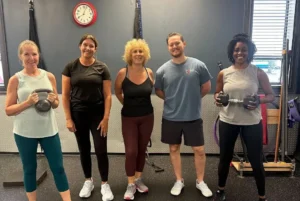
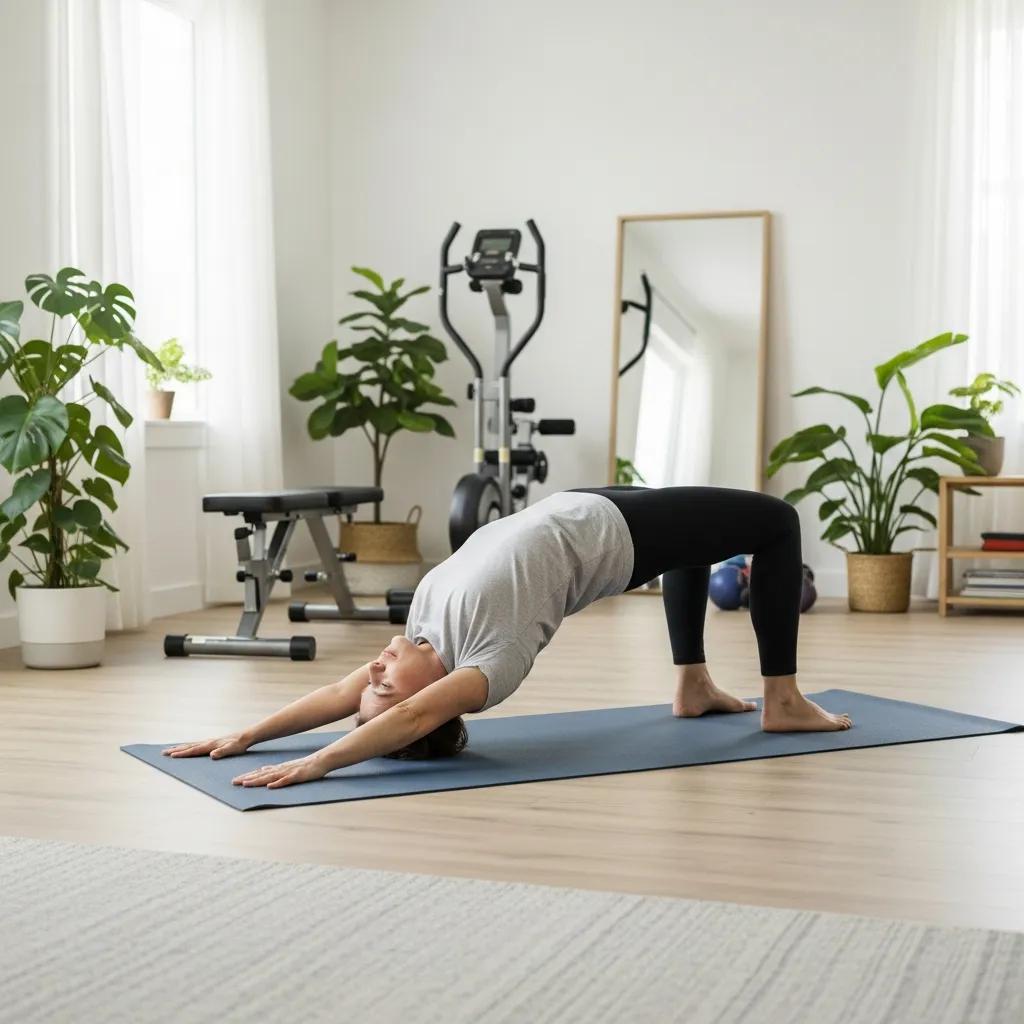
Back pain increases after age 40 as lower‑back strength and core stability decline. Targeted exercise can reduce pain and the chance of recurrence by improving muscle support, mobility, and posture. This article summarizes safe lower‑back and core exercises and how small group personal training improve outcomes.
Which Lower Back Strengthening Exercises Are Safe and Effective for Adults Over 40?
Strengthening the lower back helps preserve mobility and reduce pain. Safe, effective options include: personal training.
- Bridges: Strengthen glutes and lower back while promoting core stability.
- Bird-Dogs: Improve balance and coordinate core and lower‑back muscles.
- Pelvic Tilts: A gentle movement to strengthen the lower back and increase flexibility.
Include these moves in a routine to build capacity and lower injury risk.
How Do Targeted Lumbar Support Exercises Improve Back Health?
Lumbar exercises strengthen the muscles that support the spine. Movements like the Superman and Cat‑Cow increase lumbar flexibility and stability, reduce spinal loading, and improve posture. Regular practice makes everyday activities easier and safer.
Clinical studies provide additional evidence supporting targeted approaches for older adults.
Spine Strengthening & Posture Training for Older Adults
A 6‑month randomized controlled trial of spine‑strengthening exercise combined with posture training reduced both radiographic and clinical measures of kyphosis. Participants in the intervention arm reported improved self‑image and greater satisfaction with their appearance. The authors conclude that spine‑strengthening exercise and postural training may be an effective treatment option for older adults with hyperkyphosis.
Targeted spine strengthening exercise and posture training program to reduce hyperkyphosis in older adults: results from the study of hyperkyphosis, exercise, and …, 2017
What Are the Recommended Frequency and Difficulty Levels for These Exercises?
A practical schedule is two to three sessions per week. Beginners can start with one set of 8–12 repetitions and progress to two or three sets as strength and comfort improve. Pay attention to pain or discomfort and modify intensity accordingly; gradual progression supports safety and adherence.
How Does Core Stability Training Contribute to Back Pain Relief and Prevention?
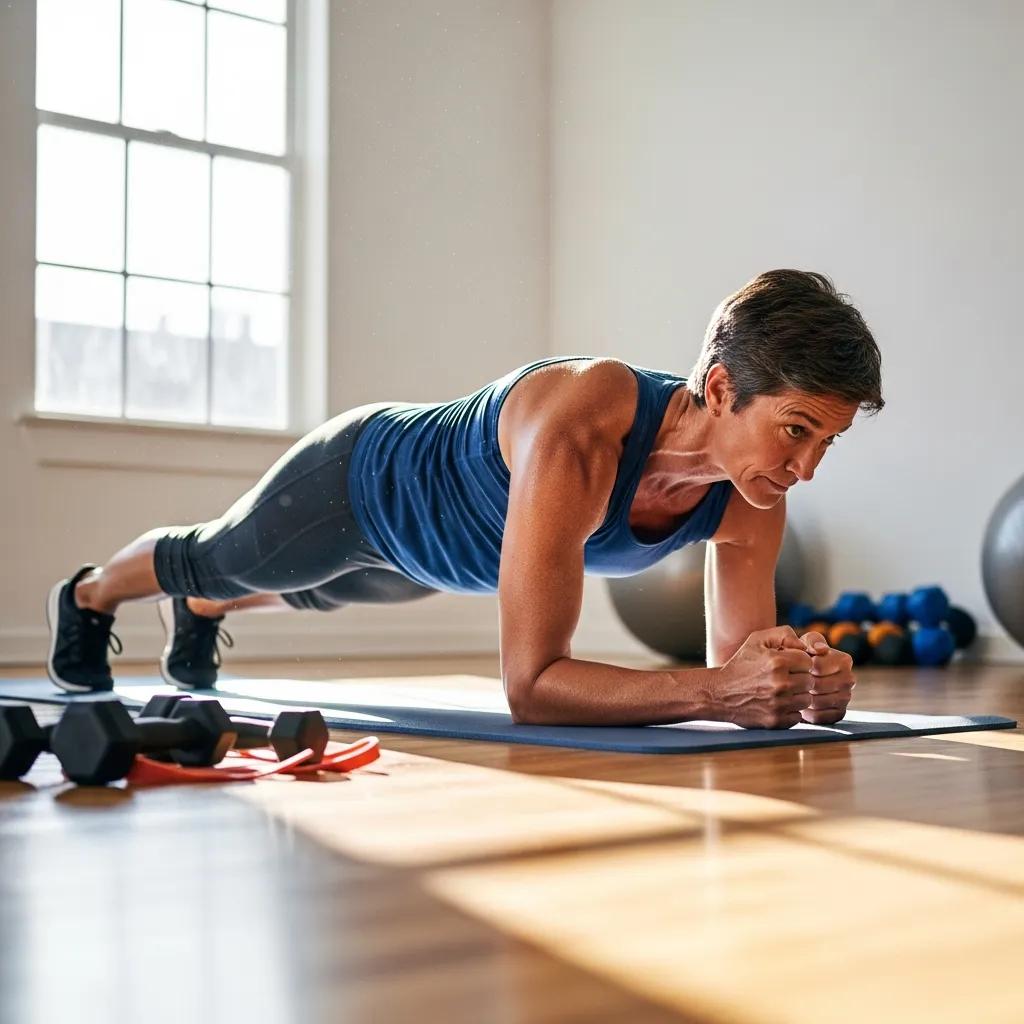
Core stability training reinforces the muscles that support the spine and pelvis. A stronger core helps maintain posture and lowers the risk of back pain. Exercises such as planks, side planks, and abdominal bracing build strength while improving balance and coordination. personal training
Which Core Workouts Enhance Spinal Support and Reduce Pain Episodes?
Effective core workouts include:
- Planks: Engage multiple muscle groups to build overall core stability.
- Side Planks: Target obliques for lateral support of the spine.
- Dead Bugs: Promote coordination and core control with low spinal load.
Regularly integrating these exercises supports spinal function and can reduce recurring pain.
What Scientific Evidence Supports Core Stability Benefits for Over 40s?
Clinical studies show structured core programmes can reduce pain and improve function in adults over 40. Participants in controlled trials reported lower pain and better daily function after following core-strengthening protocols, supporting core work as part of back‑health plans.
What Are the Best Fitness Routines and Mobility Exercises to Prevent Back Pain After 40?
Mobility work complements strengthening. Useful options include: personal training.
- Yoga: Improves flexibility and strength while reducing spinal stress.
- Pilates: Emphasises core control and body awareness.
- Walking: Low‑impact conditioning that supports back muscles and circulation.
Schedule these activities weekly to support sustained back health.
How Do Posture Correction and Stretching Techniques Improve Back Function?
Posture correction and targeted stretches align the spine and reduce muscular strain. Hamstring and hip‑flexor stretches help relieve lower‑back tension and increase flexibility. Regular practice supports safer movement and lowers pain risk.
Which Mobility Routines Complement Strengthening Workouts for Comprehensive Back Health?
Dynamic stretches and foam rolling reduce tightness and improve range of motion. Examples include: personal training.
- Dynamic Hip Openers: Increase hip mobility and reduce lower‑back strain.
- Foam Rolling: Targets tight muscles and fascia to aid recovery.
- Cat-Cow Stretch: Promotes spinal mobility and relieves tension.
Adding these practices to strength work supports comprehensive back health.
How Can Personalized Wellness Programs Enhance Exercise Outcomes for Back Pain Management Over 40?
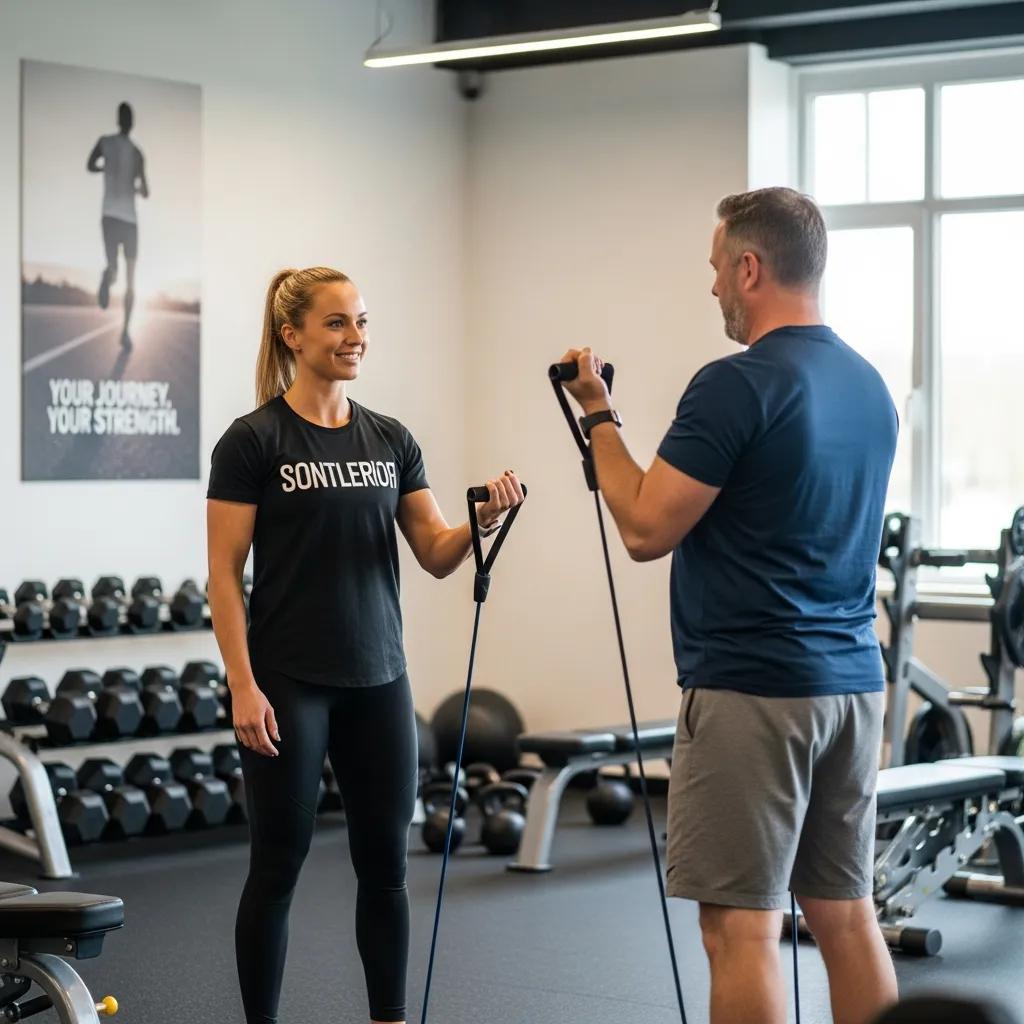
Personalised programs that combine tailored exercise plans, nutrition advice, and ongoing support improve adherence and outcomes. Aligning exercise with personal training and goals tends to yield better functional gains and lasting benefits.
What Role Does Ongoing Coaching and Progress Tracking Play in Pain Relief?
Coaching and tracking provide guidance, accountability, and technique feedback. Regular monitoring allows safe, data‑driven adjustments to intensity and volume, helping maintain progress over time.
How Do Fitness Products Support Safe and Effective Exercise Execution?
Tools like resistance bands, stability balls, and foam rollers add controlled resistance or support and can make exercises safer for adults over 40 when used within a structured fitness programs.
Frequently Asked Questions
What types of exercises should I avoid if I have back pain?
If you have back pain, it’s best to avoid high-impact activities, heavy lifting, or exercises that involve twisting or bending at the waist. Movements that place excessive strain on the lower back, such as certain abdominal crunches or leg lifts, can exacerbate pain. Always consult with a healthcare professional before starting any new exercise regimen, especially if you have a history of back issues, to ensure safety and appropriateness.
How can I incorporate stretching into my routine for better back health?
Incorporating stretching into your routine can significantly enhance back health. Focus on stretches that target the hamstrings, hip flexors, and lower back. Gentle yoga poses, such as Child’s Pose and Cat-Cow, can also be beneficial. Aim to stretch for at least 10-15 minutes after your workouts or on rest days to improve flexibility and reduce muscle tension, which can help alleviate back pain.
What should I do if I experience pain during exercise?
If you experience pain during exercise, stop immediately and assess the situation. It’s crucial to differentiate between discomfort from exertion and pain that signals injury. If the pain persists, consult a healthcare professional for advice. Modifying your routine or seeking guidance from a physical therapist can help you find safer alternatives that still promote back health without causing pain.
Are there any specific dietary recommendations to support back health?
A balanced diet rich in anti-inflammatory foods can support back health. Incorporate plenty of fruits, vegetables, whole grains, lean proteins, and healthy fats. Foods high in omega-3 fatty acids, such as salmon and walnuts, can help reduce inflammation. Staying hydrated is also essential for maintaining muscle function and joint lubrication, which can contribute to overall back health.
How can I improve my posture throughout the day?
Improving posture involves being mindful of your body alignment during daily activities. Use ergonomic furniture, take regular breaks to stand and stretch, and practice exercises that strengthen your core and back muscles. Techniques such as setting reminders to check your posture or using apps can help reinforce good habits. Additionally, consider posture-correcting devices if necessary, but always consult a professional for personalized advice.
What role does sleep play in back pain management?
Quality sleep is crucial for back pain management as it allows the body to recover and repair. Ensure your mattress provides adequate support and consider sleeping positions that maintain spinal alignment, such as on your side with a pillow between your knees. Establishing a consistent sleep routine can also improve sleep quality, which is essential for overall health and pain management.
What are the signs that I should consult a healthcare professional before starting an exercise program for back pain?
See a clinician if you have severe or worsening back pain, leg numbness, tingling, weakness, unexplained weight loss, or a history of cancer. A professional can evaluate red flags and recommend safe options.
Can I perform these exercises if I have a pre-existing back condition?
If you have a diagnosed back condition, get tailored advice from a healthcare professional or physical therapist. They can suggest safe modifications or alternatives. Stop any movement that causes pain.
How long will it take to see improvements in back pain after starting an exercise routine?
Improvement timelines vary, but many people notice reduced pain and better mobility within several weeks of consistent exercise. Continue a consistent program for durable benefits.
Are there specific warm-up exercises recommended before starting a back pain relief routine?
Warm up with gentle torso twists, arm circles, light walking, and dynamic moves like leg swings and hip circles to increase blood flow and prepare joints. For more personalized guidance, check our fitness programs.
What lifestyle changes can complement my exercise routine for better back health?
Maintain a healthy weight, practise good posture, use ergonomic furniture, take breaks during long sitting periods, stay hydrated, and follow a balanced diet to support recovery.
How can I stay motivated to maintain my exercise routine for back pain relief?
Set realistic goals, track progress, join a group or use a workout partner for accountability, and vary your routine to stay engaged.
Conclusion
Targeted strengthening of the lower back and core is an effective strategy for adults over 40 to reduce pain and improve mobility. Safe routines—such as bridges, planks, and yoga—combined with personalised support, can deliver meaningful, sustainable improvements. Start with appropriately scaled exercises and seek professional guidance when needed to ensure a safe, evidence‑informed approach to long‑term back health.