

Maintaining balance and coordination becomes increasingly important with age to reduce fall risk and associated injuries. This article presents evidence-informed strategies tailored to older adults. Readers will find an overview of key fall risks, the role of balance, and exercises designed to improve stability. We summarise recent research on fall prevention, practical training approaches, and the contribution of fitness products. The article also reviews coordination workouts for adults over 40 and their effects on motor skills, providing a comprehensive guide to fall reduction.
What Are the Key Fall Risks for Seniors and Why Is Balance Important?
Older adults encounter several risk factors that increase fall likelihood. Age-related declines in strength, reduced postural control, and mobility limitations raise the risk of incidents. Maintaining balance supports safe ambulation and task performance; loss of balance can result in fractures, head injury, and a marked decline in quality of life. Recognising these risks underscores the value of targeted balance training as a preventive intervention.
How Do Balance and Coordination Affect Fall Risk in Older Adults?
Balance and coordination are primary determinants of fall risk in older adults. Enhanced balance improves postural stability during movement and reduces slips and trips. Coordination training develops the ability to control limb and trunk movements, which further decreases accident risk. Combined, targeted balance and coordination exercises form essential elements of effective senior fitness programmes. senior fitness programmes.
What Recent Studies Reveal About Fall Incidence and Prevention?
Recent research documents concerning rates of fall-related injury among older adults and identifies falls as a major cause of injury-related mortality in this group. Structured balance training has produced measurable reductions in fall incidence; some studies report reductions of up to 30% in fall-related injuries among participants who performed regular balance exercises. These data support the inclusion of balance and coordination training within structured prevention programmes.
Research further indicates that multi-component, systematic strategies can substantially reduce fall incidence and improve clinical outcomes for older adults. Research further
Comprehensive Fall Prevention Strategies for Elderly
The mortality rate and disease burden associated with falls among the elderly in China are on the rise. Interventions can play a crucial role in preventing and managing falls. The application of the “5E” injury prevention strategy led to a decrease in both the occurrence of falls and the likelihood of subsequent falls. Regular physical activity and maintaining a positive outlook were identified as protective measures against falls.
Evaluation of the Effectiveness of “5E” Comprehensive Injury Prevention Strategy for Fall Prevention Among the Rural Elderly—Six Pilot Villages, Yunnan Province …, 2024
Which Senior Balance Training Exercises Reduce Fall Risk Most Effectively?
Several balance exercises have demonstrated effectiveness in reducing fall risk by improving strength, flexibility, and postural control. The exercises listed below target the physiological components that contribute to stability and mobility. team
- Tai Chi : This gentle exercise promotes balance and flexibility through slow, controlled movements.
- Planks : Strengthening the core through planks enhances overall stability and balance.
- Stability Ball Routines : Using stability balls can improve core strength and balance, making everyday activities safer.
Regular incorporation of these exercises into a training plan can improve postural control and lower fall risk. e5fit
What Are the Best Balance and Stability Workouts for Seniors?
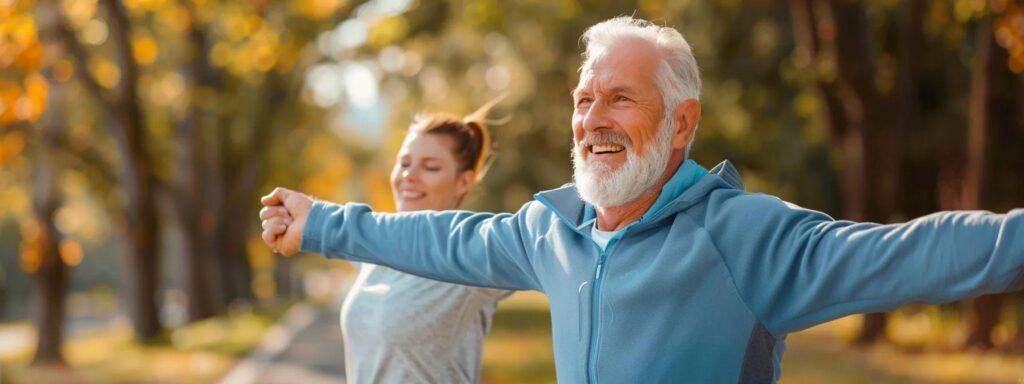
Certain workouts deliver consistent benefits for balance and stability in older adults. These programmes emphasise functional strength, mobility, and neuromuscular control, which translate to safer daily activity. delivery
- Functional Fitness Classes : These classes focus on exercises that mimic daily activities, helping seniors maintain their independence.
- Mobility and Agility Training : These workouts enhance movement efficiency and coordination, which are crucial for fall prevention.
- Mind-Body Practices : Activities like yoga and Pilates not only improve balance but also promote mental well-being.
Together, these modalities provide a comprehensive approach to improving balance and reducing fall risk for older adults.
How to Perform Home-Based Balance Exercises Safely and Correctly?
Home-based balance training can be effective and safe when guided by clear safety measures and correct technique. The following precautions reduce injury risk and support progress. Home-based balance training
- Use Support : When starting, use a sturdy chair or wall for support to prevent falls.
- Focus on Form : Ensure proper form and technique to maximize benefits and minimize injury risk.
- Progress Gradually : Start with easier exercises and gradually increase difficulty as balance improves.
Adhering to these guidelines enables seniors to perform effective balance work safely in a home setting.
How Can Coordination Improvement Workouts Enhance Motor Skills in Adults Over 40?
Coordination workouts improve motor control and range of motion in adults over 40, which supports independence and daily function. Enhanced agility and neuromuscular coordination reduce the effort required for routine tasks and lower the probability of falls. Regular, targeted coordination training yields measurable improvements in functional performance as individuals age. daily function.
Beyond general coordination, agility-based training frameworks provide an integrative method to enhance neuromuscular, cardiocirculatory, and cognitive functions relevant to fall prevention.
Agility Training for Senior Fall Prevention & Balance
Annually, one in three seniors aged over 65 years fall. Balance and strength training can reduce neuromuscular fall risk factors and fall rates. Besides conventional balance and strength training, explosive or high-velocity strength training, eccentric exercises, perturbation-based balance training, trunk strength, and trunk control have also been emphasized. An agility-based conceptual training framework comprising perception and decision making (e.g., visual scanning, pattern recognition, anticipation) and changes of direction (e.g., sudden starts, stops and turns; reactive control; concentric and eccentric contractions) might enable an integrative neuromuscular, cardiocirculatory, and cognitive training.
Exercise-based fall prevention in the elderly: what about agility?, L Donath, 2016
What Elderly Coordination Drills Support Fall Prevention?
A range of coordination drills can support fall prevention by improving proprioception and movement control. The drills below emphasise gradual progression and reproducible patterns to enhance motor skill. e5fit
- Tai Chi Movements : These slow, flowing movements improve balance and coordination.
- Yoga Poses : Specific poses enhance stability and body awareness.
- Balance Beam Exercises : Walking along a line or beam can improve coordination and focus.
Regular practice of these drills within a structured programme can meaningfully improve coordination and reduce fall risk. e5fit
How Does Coordination Training Complement Balance Exercises?
Coordination training enhances the control of voluntary movements while balance exercises develop postural stability. When combined, they improve overall movement efficiency and functional performance, enabling older adults to navigate their environments with greater safety and confidence. Coordination training
What Fitness Products and Equipment Support Balance and Coordination Training?
A selection of fitness products can support progressive balance and coordination training by providing graduated challenge and feedback to the neuromuscular system.
- Stability Balls : These are excellent for core strength and balance exercises.
- Resistance Bands : Useful for enhancing strength and stability during workouts.
- Balance Boards : These help improve coordination and balance through dynamic movements.
Integrating these products into a structured routine can increase training efficacy and support measurable improvements in balance.
Which Balance Training Equipment Is Recommended for Seniors?
When choosing equipment, prioritise safety, gradual progression, and suitability for the individual’s ability level. The options below are commonly recommended for older adults.
- Low-Impact Exercise Mats : Provide a safe surface for performing exercises.
- Balance Discs : Help improve stability and core strength.
- Weighted Vests : Can enhance strength training while performing balance exercises.
These tools are intended to support safe and effective balance training for seniors when used appropriately. these tools
How Do E5 Fit’s Fitness Products Integrate With Fall Prevention Workouts?
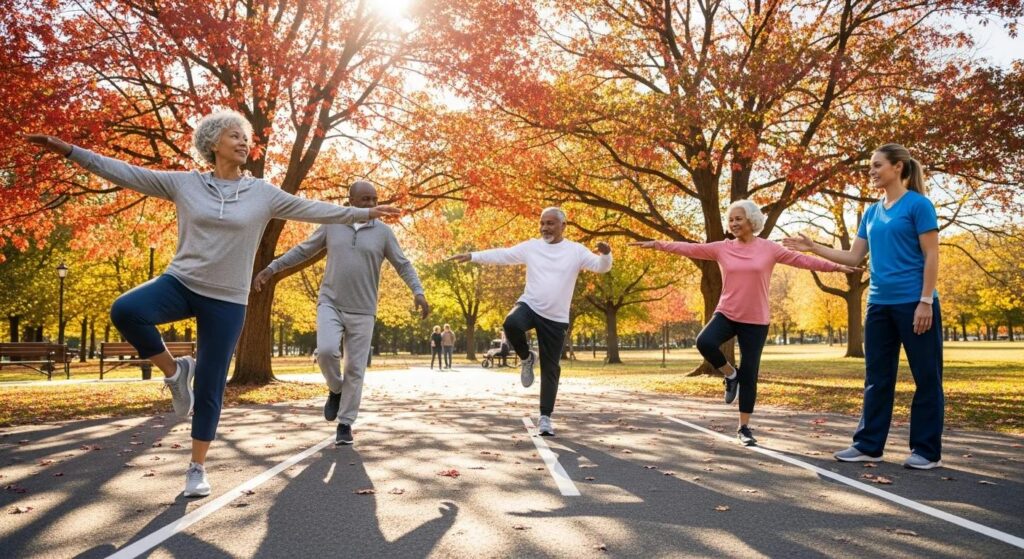
E5 Fit supplies fitness products designed to integrate with fall prevention programmes. Their equipment is intended to support safe progression in balance and coordination training and to complement structured exercise routines that improve stability and reduce fall risk. The emphasis on accessible design and product quality supports use by older adults and practitioners alike.
What Are the Benefits and Features of Wellness Program Subscriptions for Fall Prevention?
Wellness subscriptions can provide structured support for fall prevention through regular programming and professional guidance. Common components include personalised coaching, peer support, and integrated wellness strategies that address physical and psychological contributors to fall risk.
- Personalized Coaching : Tailored guidance to meet individual fitness needs.
- Community Support : Access to a supportive network of peers.
- Holistic Wellness Approaches : Incorporating physical, mental, and emotional health strategies.
These features provide seniors with a comprehensive framework to support adherence and measurable progress in fall prevention efforts.
How Do Guided Balance Workouts in Subscription Programs Improve Stability?
Guided balance workouts provide structured routines led by experienced trainers. Programmes that apply functional fitness principles ensure exercises are relevant to daily tasks. Timely trainer feedback corrects technique and improves neuromuscular efficiency, which translates to better stability in everyday activities.
What Support and Motivation Do Wellness Subscriptions Provide to Seniors?
Wellness subscriptions deliver a combination of tailored programming, social engagement, and educational materials to support sustained participation. These elements address both behavioural and practical barriers to consistent exercise.
- Tailored Fitness Programs : Customized workouts that cater to individual needs and abilities.
- Group Classes for Motivation : Opportunities to connect with others and stay motivated.
- Educational Resources : Access to information on health and wellness topics relevant to seniors.
This support structure improves adherence to training regimens and contributes to better long-term fall-prevention outcomes.
What Common Questions Do Seniors Have About Balance and Coordination Training?

Older adults commonly ask about frequency, exercise selection, and safety when beginning balance training. Clear, evidence-based guidance helps address these concerns and supports confident participation.
- How often should I practice balance exercises? : Regular practice is essential for improvement; aim for at least three times a week.
- What types of exercises are best? : Focus on a mix of strength, flexibility, and coordination exercises.
- Are there safety concerns? : Always prioritize safety by using support when needed and ensuring a safe workout environment.
Providing clear answers to these questions increases seniors’ confidence and likelihood of maintaining an effective training routine.
What Are Effective Fall Risk Reduction Exercises for Seniors?
Several exercise categories have demonstrated benefit for fall risk reduction by targeting the underlying physical contributors to instability.
- Strength Training : Enhances muscle strength, which is crucial for maintaining balance.
- Flexibility Exercises : Improve range of motion and reduce stiffness.
- Cardio Activities : Promote overall fitness and endurance, supporting balance.
A balanced programme that includes these elements can materially lower the likelihood of falls when performed consistently.
In particular, the role of muscle strength in fall prevention is supported by studies showing progressive resistance training improves balance performance in older adults.
Progressive Resistance Training for Senior Balance & Fall Prevention
The serious health, social and economic consequences of falls are well documented. Lower extremity muscle weakness and power as well as balance impairment are major independent intrinsic contributors to falls and amenable to intervention. Progressive resistance training (PRT) is widely accepted as an appropriate modality for treating sarcopenia and has been reported to improve balance. Therefore, our objective was to systematically review the literature to probe the merit of PRT as a single intervention on balance performance in older adults.
Efficacy of progressive resistance training on balance performance in older adults: a systematic review of randomized controlled trials, R Orr, 2008
How Often Should Seniors Practice Balance and Coordination Workouts?
To achieve measurable improvements, seniors should schedule balance and coordination workouts regularly. A practical guideline is to perform targeted sessions at least three times per week, with gradual increases in difficulty to sustain progress and motivation. regularly
Frequently Asked Questions
What are the signs that a senior may need balance training?
Indicative signs include frequent stumbling, difficulty negotiating uneven surfaces, and habitual use of furniture or walls for support. A prior fall or a subjective sense of unsteadiness are also strong indicators. Clinical assessments by healthcare professionals can identify specific deficits and recommend targeted interventions.
Can balance training be done at home, and what equipment is needed?
Yes. Home-based balance training is effective with minimal equipment: a sturdy chair for support, exercise mats for comfort, and resistance bands for strength. Optional items such as stability balls and balance boards can provide progressive challenge. Many core exercises require no equipment, for example one-leg stands or basic Tai Chi sequences. Ensure the exercise area is safe and increase difficulty progressively.
How long does it take to see improvements in balance and coordination?
Improvements are commonly observed within a few weeks of consistent practice. Many older adults notice enhanced stability after practising balance exercises at least three times per week for approximately four to six weeks. Individual timelines vary with baseline fitness, age, and exercise specificity.
Are there any specific dietary recommendations to support balance training?
While no diet is specific to balance training, a nutrient-rich diet supports muscle and bone health. Emphasise adequate protein to preserve muscle mass, calcium and vitamin D for bone integrity, and antioxidants from fruit and vegetables to mitigate inflammation. Maintain hydration and consult a healthcare professional or dietitian to tailor recommendations to individual needs.
What role does mental health play in balance and coordination training?
Mental health influences engagement and performance. Anxiety about falling may reduce activity and degrade mobility, whereas regular exercise can improve mood and cognitive function. Mind-body practices such as yoga and Tai Chi combine physical and psychological benefits and are appropriate choices for many older adults.
How can family members support seniors in their balance training efforts?
Family members can provide practical and motivational support: encourage regular participation, exercise together, remove tripping hazards, ensure adequate lighting, and acknowledge progress. They can also assist in locating appropriate classes or professional resources and help monitor improvements over time.
Conclusion
Improving balance and coordination is a priority for fall prevention and independence in older adults. Targeted exercise, appropriate equipment, and structured support produce measurable gains in stability and function. Incorporating these strategies into a regular routine enables seniors to reduce fall risk and preserve mobility. Explore available fitness resources to begin a safe, evidence-informed programme for better balance.