

Choosing the right personal trainer is a big step toward reaching your fitness goals—especially if you’re 30 or older and want safe, sustainable progress. A certified trainer brings expert programming, injury-aware coaching, and the accountability many adults need to stay consistent.
This guide walks you through the practical factors to weigh: credentials, local availability, typical costs, and the personal qualities that make a trainer effective. Read on to learn how to find someone who understands your needs, keeps you motivated, and helps you get results you can maintain.
What Certifications and Qualifications Should a Certified Personal Trainer Have?
Credentials matter because they signal a trainer’s baseline knowledge of exercise science, program design, nutrition fundamentals, and safety. Look for trainers with nationally recognized certifications and evidence that they apply that knowledge in real-world coaching—especially when tailoring programs to individual limitations or medical concerns. Popular personal training certification programs include the NASM CPT (Certified Personal Trainer), ACE Certified Health Coach, ISSA Physical Trainer, and other accredited personal training certification options. These programs ensure trainers are qualified as certified fitness trainers, certified physical trainers, or certified fitness coaches, often with additional credentials like certified nutrition coach to support holistic health.
Which National Certifications Ensure Trainer Expertise and Safety?
Several national certifying bodies are respected across the industry: the National Academy of Sports Medicine (NASM), the American Council on Exercise (ACE), and the National Strength and Conditioning Association (NSCA). Each has rigorous testing and continuing-education requirements. NASM is known for corrective exercise and movement-screen education, ACE takes a broader wellness-focused approach, and NSCA emphasizes strength and performance. Any of these are a solid baseline for safe, effective training. When searching for a personal trainer, using a personal trainer finder tool or simply searching hire a personal trainer near me can help you locate professionals with these certifications in your area.
How Does Experience with Adults Over 40 Impact Trainer Effectiveness?
Trainers who regularly work with clients over 40 understand the common issues that show up—joint sensitivity, slower recovery, medication interactions, and the need for mobility work. That experience helps them scale intensity safely, select appropriate progressions, and design programs that keep older adults consistent and injury-free. In short: targeted experience often produces better adherence and long-term results.
How Do I Find a Good Personal Trainer Near Me?
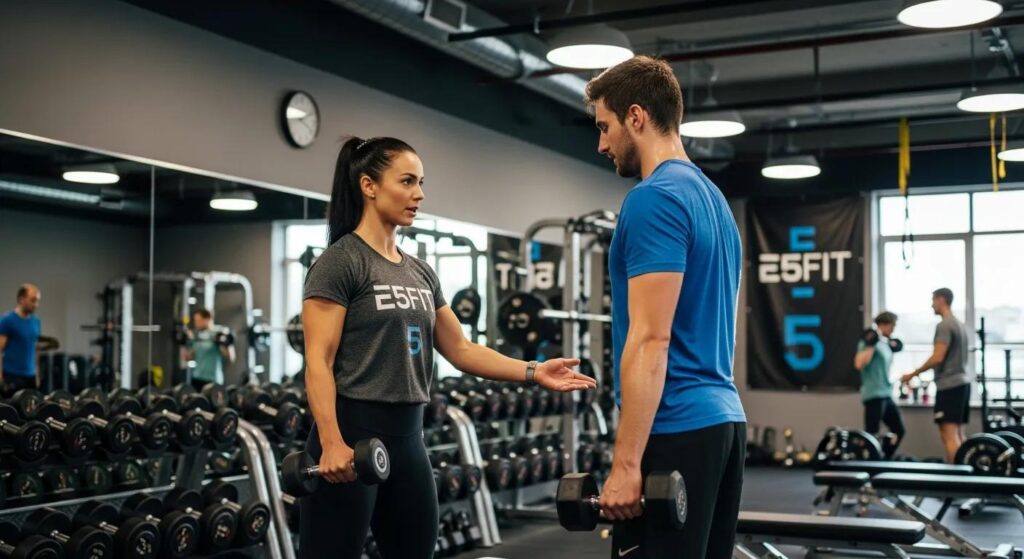
Finding a trainer locally is easier when you know where to look and what questions to ask. Use local gym directories, neighborhood fitness groups, and direct searches for trainers who list your area. Then narrow candidates based on credentials, client results, and whether their schedule and style suit you. A personal trainer finder online can be a useful resource to filter by certification, specialty, and location.
What Local Factors Should Influence Your Trainer Selection in Buckhead, Atlanta?
In Buckhead, consider a trainer’s familiarity with local gyms, outdoor workout spots, and the community’s fitness habits. A trainer who knows the neighborhood can recommend convenient options and tailor programming to the typical lifestyles and time constraints of Buckhead residents. Local connections also make scheduling and in-person sessions easier.
How Can Trainer Profiles and Client Testimonials Help Your Decision?
Trainer profiles give a quick view of credentials, specialties, and coaching approach; testimonials reveal how those skills translate into client results and relationships. Look for specific outcomes—weight loss, strength gains, pain reduction—and comments about accountability, communication, and consistency. Those details tell you more than a list of certifications alone.
What Are the Typical Personal Trainer Costs and Pricing Structures?
Personal training costs vary by location, experience level, and the session format you choose. Understand the range in your area so you can budget for the kind of attention and expertise you want—whether that’s highly personalized one-on-one coaching or a more affordable personal training.
How Does Pricing Vary for 1-on-1 Versus Small Group Personal Training?
One-on-one sessions are usually pricier because you get fully personalized programming and hands-on coaching. Expect individual sessions to fall in the $50–$100 per hour range, while small group training typically costs $20–$50 per person per session, depending on group size and location. Choose the format that balances cost with the level of personalization you need.
What Should You Know About No-Contract and Customized Program Pricing?
Many trainers offer no-contract options so you can pay per session, which gives flexibility if your schedule changes. Customized programs—whether delivered in person or remotely—are priced based on the level of personalization, ongoing check-ins, and added services like meal guidance or program delivery through apps. These tailored plans often cost more but can deliver better, faster progress.
| Service Type | Pricing | Features |
|---|---|---|
| 1-on-1 Personal Training | $50 – $100/session | Personalized attention, tailored workouts |
| Small Group Training | $20 – $50/person/session | Social environment, cost-effective |
| Customized Programs | Varies | Tailored to individual goals, flexible scheduling |
This table summarizes common training formats, typical price ranges, and what each option delivers. Use it to match your budget with the level of support you want—whether that’s hands-on coaching, a virtual personal training, or a customized plan.
What Key Qualities and Training Styles Should You Look For in a Personal Trainer?
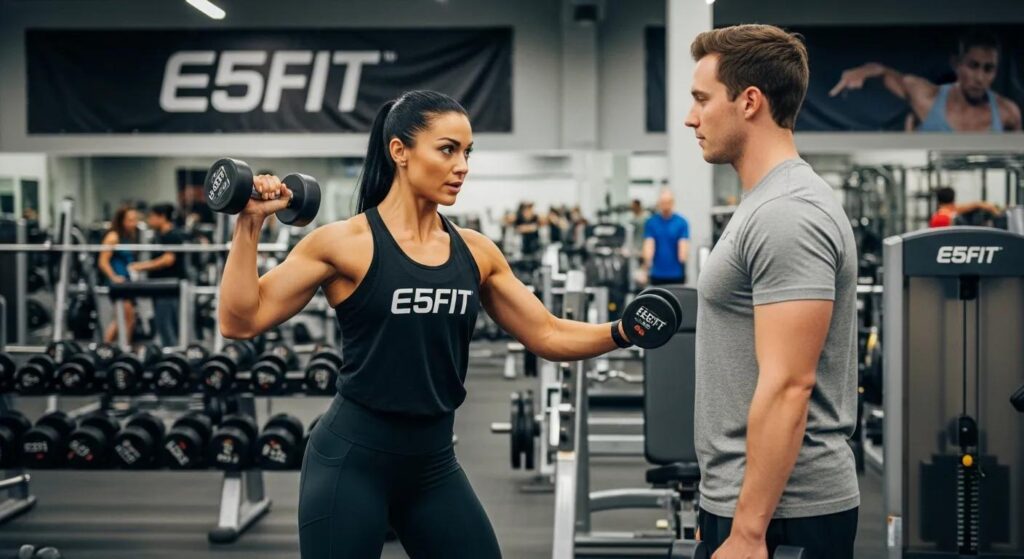
The best trainers combine technical know-how with strong interpersonal skills. You want someone who creates clear plans, explains why exercises are chosen, and connects with you in a way that keeps workouts sustainable and motivating.
How Do Communication and Motivation Styles Affect Your Fitness Journey?
A trainer who adapts their communication to your personality will get better results. Some clients respond to direct feedback and measurable targets; others need steady encouragement and small wins. Ask potential trainers how they coach motivation and handle setbacks to see if their style matches yours.
Why Is a Customized Training Program Important for Your Goals?
Generic plans rarely work long-term. A trainer who starts with an assessment—asking about your history, goals, and limitations—and then builds a progressive, personalized plan will help you reach goals faster and more safely. Custom programming also keeps training interesting and aligned with real-life constraints.
Choosing the right personal trainer means balancing qualifications, local fit, cost, and personal chemistry. Take the time to compare options and book a consultation—finding the right personal trainer can make all the difference in whether you stick with a program and see lasting results.
Frequently Asked Questions
What are the benefits of working with a personal trainer over self-guided workouts?
Working with a personal trainer offers several advantages over self-guided workouts. Trainers provide personalized programming tailored to your specific goals, ensuring that exercises are effective and safe. They also offer accountability, which can help you stay consistent and motivated. Additionally, trainers can teach proper form and technique, reducing the risk of injury. Their expertise allows for adjustments based on your progress, making your fitness journey more efficient and enjoyable.
How often should I meet with my personal trainer for optimal results?
The frequency of sessions with a personal trainer can vary based on your goals, budget, and schedule. Generally, meeting 1-3 times per week is recommended for optimal results. More frequent sessions can provide greater accountability and support, especially for beginners or those with specific goals. However, it’s also important to incorporate independent workouts to reinforce what you’ve learned. Discuss your objectives with your trainer to determine the best schedule for you.
Can a personal trainer help with nutrition advice?
Many personal trainers offer basic nutrition guidance as part of their services, especially those with additional certifications in nutrition coaching. They can help you understand the fundamentals of healthy eating, meal planning, and how nutrition impacts your fitness goals. However, for more specialized dietary needs or medical conditions, consulting a registered dietitian may be advisable. Always ask your trainer about their qualifications in nutrition before relying on their advice.
What should I expect during my first session with a personal trainer?
During your first session, expect an initial assessment where the trainer will discuss your fitness history, goals, and any limitations. They may conduct physical assessments to gauge your current fitness level. This session is also an opportunity for you to ask questions and understand their training style. The trainer will likely outline a preliminary plan and explain how they will help you achieve your goals, ensuring you feel comfortable and informed moving forward.
How can I ensure my personal trainer stays updated with the latest fitness trends?
To ensure your personal trainer stays current, inquire about their continuing education efforts. Many reputable trainers participate in workshops, seminars, and courses to keep their knowledge fresh. You can also ask about their certifications and any recent training they’ve completed. A trainer who is passionate about their profession will likely be proactive in learning new techniques and trends, which can enhance your training experience.
What are the signs of a good personal trainer?
A good personal trainer demonstrates strong communication skills, listens to your needs, and adapts their approach based on your feedback. They should have relevant certifications and a solid understanding of exercise science. Look for someone who motivates you, provides clear instructions, and tracks your progress effectively. Additionally, a good trainer fosters a positive environment, making workouts enjoyable while challenging you to reach your potential.
What should I consider when assessing a personal trainer's experience?
Look at how long they’ve been training, the range of clients they’ve worked with, and whether they’ve helped people reach goals similar to yours. Ask about continuing education and special certifications—trainers who invest in ongoing learning usually stay current with safer, more effective methods. Popular certifications to look for include NASM CPT, ACE Certified Health Coach, ISSA Physical Trainer, and other accredited personal training certification programs.
How can I ensure my personal trainer understands my unique fitness needs?
Be open about your goals, medical history, and any limitations. A good trainer will perform a thorough assessment and ask targeted questions before writing a program. If they skip that step, they may not be the right fit.
What role does a personal trainer play in injury prevention?
Trainers reduce injury risk by prescribing appropriate progressions, teaching proper form, and modifying exercises when needed. They look for movement compensations, account for prior injuries, and include mobility and recovery strategies as part of a safe program.
How can I track my progress with a personal trainer?
Progress can be tracked with baseline assessments, performance metrics, progress photos, and regular check-ins. Many trainers use apps or simple logs to record workouts and improvements in strength, endurance, and mobility—so you can see measurable gains over time.
What should I do if I feel my personal trainer is not a good fit?
Start with a frank conversation—clear feedback can often fix mismatches in communication or programming. If things don’t improve, it’s okay to look for another trainer whose style and availability suit you better. Your long-term success depends on the right fit.
Are there specific questions I should ask during a consultation with a personal trainer?
Ask about their certifications, experience with clients like you, and their process for designing programs. Confirm availability, session formats, and how they measure progress. You can also ask about their approach to nutrition and recovery so you have a complete picture of their coaching style.
Conclusion
Finding the right personal trainer can change how you train—and how you feel about fitness. Prioritize credentials, local fit, clear pricing, and a communication style that keeps you engaged. Book consultations, ask smart questions, and choose someone who helps you build a sustainable plan. When you find that match, you’ll be set up to make steady progress toward your goals.