

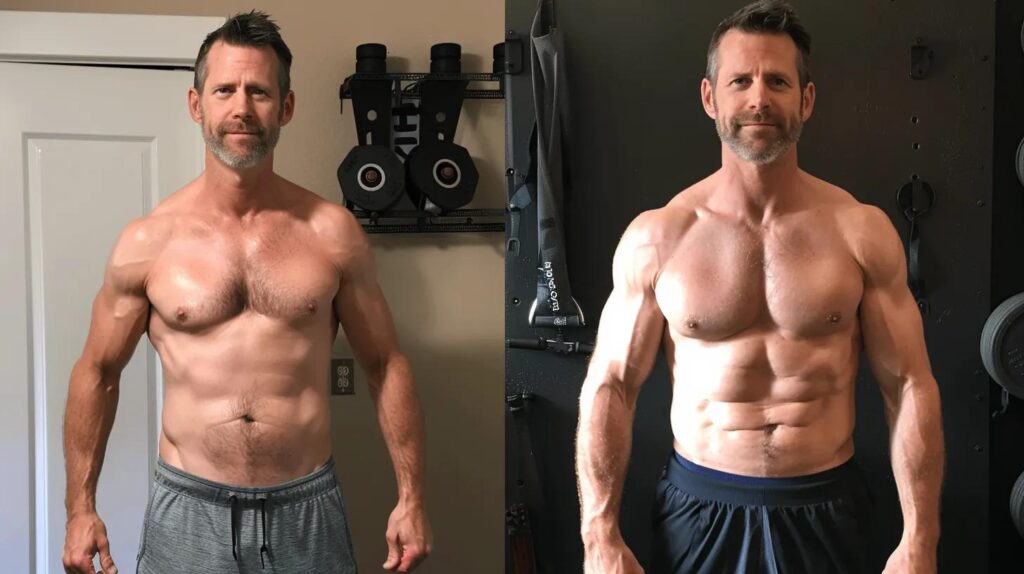
If weight loss after 40 feels harder than it used to, you’re not imagining it. Hormonal shifts (including estrogen and testosterone changes), gradual muscle loss, higher stress load, poorer sleep quality, and a slower day-to-day metabolism can all make fat loss feel “sticky.” The good news: you don’t need extreme dieting—you need a smarter nutrition strategy that protects muscle, steadies blood sugar, supports recovery, and fits real life.
This guide breaks down the most effective, evidence-based nutrition strategies for sustainable weight loss after 40, with practical examples you can start using today.
Why is weight loss more challenging after 40? Understanding metabolism and hormonal changes
Two big forces make weight management harder after 40: a natural metabolic slowdown and shifting hormones. As you age, your resting calorie burn tends to drop, so the same eating patterns can lead to gradual weight gain. At the same time, perimenopause and menopause bring hormonal swings that change how your body stores fat and how you feel day to day. Knowing these changes helps you choose strategies that actually work for this stage of life.
The goal isn’t just to “eat less.” It’s to lose fat while keeping muscle. Muscle is metabolically active tissue—when you preserve it, you tend to look leaner, feel stronger, and maintain results long-term. The biggest mistake many people make is using aggressive calorie cuts that lead to muscle loss, rebound hunger, and fatigue.
Instead, the most effective plan does three things:
- Creates a modest calorie deficit
- Prioritizes protein and strength-supportive nutrients
- Controls appetite and cravings through meal structure
How do hormonal shifts affect weight management in women over 40?
Declining estrogen is a common factor that shifts fat toward the abdomen and can make losing weight slower. Hormone changes can also sap energy and alter mood, which makes consistency harder. Recognizing these effects—and responding with targeted nutrition, strength work, and better sleep—helps you stay on track even when your body is changing.
What role does metabolism play in weight gain after 40?
Metabolism is how your body converts food into energy. After 40, a drop in muscle mass and hormonal shifts often lower metabolic rate, so you burn fewer calories at rest. That means small changes—like adding strength training and boosting daily protein—can protect muscle, raise your calorie burn, and make weight control more manageable without extreme dieting. fitness programs
1) Build Every Meal Around High-Quality Protein
Protein becomes non-negotiable after 40 because it helps:
- Preserve lean muscle during weight loss
- Improve fullness (less snacking and cravings)
- Support recovery from workouts and daily activity
A simple target: aim for 25–40g of protein per meal, depending on your body size and activity level.
Best protein choices (mix and match):
- Lean meats (chicken, turkey, lean beef)
- Fish (salmon, tuna, cod, sardines)
- Eggs / egg whites
- Greek yogurt, cottage cheese
- Tofu, tempeh, edamame
- Protein powder (whey or plant-based)
Quick example meal:
- Greek yogurt + berries + chia + a scoop of protein powder
- That’s a high-protein breakfast that’s fast and filling.
2) Create a “Gentle Deficit” (Not a Crash Diet)
Extreme dieting backfires more often after 40 because it increases hunger hormones and can reduce training performance. A modest deficit is easier to maintain and more protective of muscle.
Rule of thumb: reduce intake slightly, then let steps + strength training do more of the work.
Simple ways to create a deficit without feeling deprived:
- Keep protein the same (or higher), reduce “extras” (liquid calories, desserts, grazing)
- Use smaller plates for calorie-dense foods
- Build meals around vegetables + protein first, then add carbs/fats as needed
3) Prioritize Fiber to Control Hunger and Blood Sugar
Fiber is one of the most underrated tools for fat loss after 40. It supports gut health, improves fullness, and helps stabilize blood sugar (which reduces cravings).
Target: 25–35g fiber/day.
High-fiber foods to rotate:
- Vegetables (broccoli, peppers, leafy greens)
- Beans/lentils
- Berries, apples, pears
- Oats, quinoa, brown rice
- Chia/flax seeds
Quick strategy: add one extra fist-sized serving of vegetables to lunch and dinner.
4) Choose Carbs That Support Energy (Not Cravings)
Carbs aren’t the enemy—poor timing and ultra-processed carbs are the issue.
Better carb choices for weight loss after 40:
- Potatoes, rice, oats, quinoa
- Fruit
- Beans/lentils
- Whole-grain options you digest well
Timing tip: Many people do best putting more carbs around workouts and choosing lighter carbs at dinner if late-night snacking is a pattern.
If you struggle with cravings:
Start by swapping refined snacks (chips, cookies) for structured meals and planned snacks (protein + fruit, yogurt + berries).
5) Don’t Fear Healthy Fats—Just Measure Them
Fats support hormones and satiety, but they’re easy to overeat because they’re calorie-dense.
Smart fat sources:
- Olive oil, avocado
- Nuts/seeds (portion matters!)
- Salmon and other fatty fish
Portion guide:
- Oils: 1–2 tsp per meal
- Nuts: small handful
- Avocado: ¼–½ medium
If weight loss stalls, fats are often the easiest lever to adjust slightly without increasing hunger.
6) Reduce “Hidden Calories” That Stall Progress
Many people after 40 eat “healthy”… but the deficit disappears through extras like:
- Creamers, sugary coffee drinks
- Alcohol
- Mindless snacking
- Restaurant portions
- “Healthy” but dense foods (nuts, granola, oils)
High-impact fix: track or mentally audit just one thing for 7 days:
- Alcohol intake, or
- Snacks after dinner, or
- Liquid calories
Often, you’ll find the missing piece without tracking everything.
7) Use a Simple Meal Structure That Works Daily
Consistency beats complexity.
An easy fat-loss plate method:
- ½ plate non-starchy vegetables
- ¼ plate protein
- ¼ plate carbs (or smaller portion on rest days)
- Add a small portion of healthy fats as needed
Example dinner:
- Grilled chicken + roasted vegetables + rice + olive oil drizzle
8) Manage Alcohol Like a “Progress Tax”
Alcohol isn’t just calories. It can increase appetite, reduce sleep quality, and make you crave salty/sugary foods.
You don’t have to quit—just be strategic:
- Set a weekly limit (ex: 1–3 drinks total)
- Choose lower-calorie options
- Eat a protein-forward meal first
- Avoid “drinking + grazing” combinations
9) Sleep and Stress: Nutrition’s Secret Multipliers
After 40, sleep and stress heavily influence hunger and fat storage signals. Poor sleep can increase appetite and make “willpower” feel nonexistent.
Nutrition supports better sleep:
- Stop caffeine earlier
- Eat balanced meals (not ultra-low carb if it worsens sleep for you)
- Avoid huge meals right before bed
- Prioritize magnesium-rich foods (leafy greens, beans, nuts) or ask your clinician about supplements
What are the best nutrition approaches for women over 40 to support metabolism?
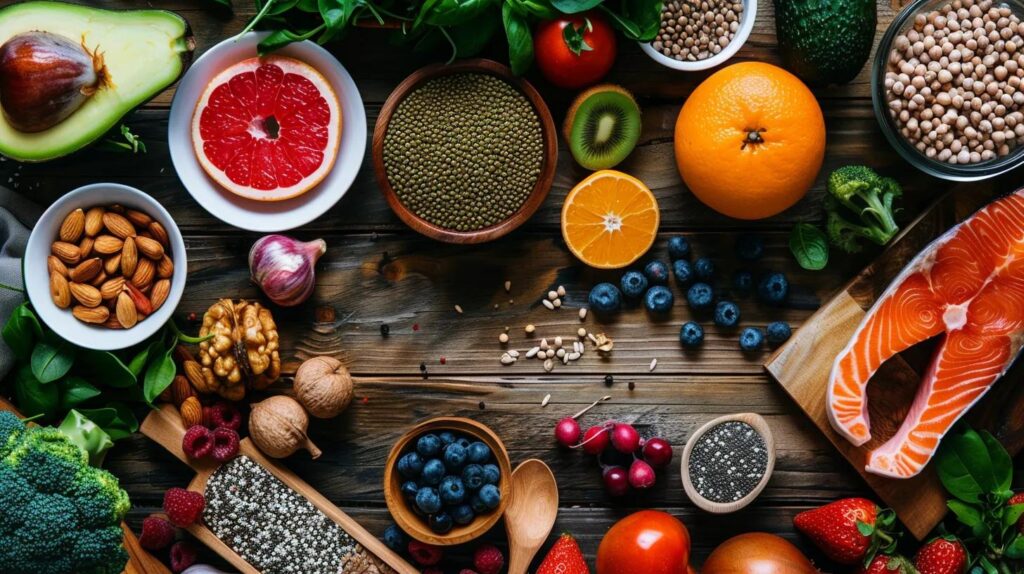
Focus on foods that preserve muscle, keep you full, and deliver nutrients your body needs more of now. That usually looks like higher protein, plenty of fiber from whole foods, and healthy fats. Together they help control appetite, support metabolism, and provide steady energy through the day.
How does a high-protein, fiber-rich diet support weight loss after 40?
Protein helps maintain and build muscle, which protects metabolic rate as you age. Fiber slows digestion and boosts fullness, so you naturally eat fewer calories. Lean meats, eggs, Greek yogurt, legumes, whole grains and plenty of vegetables are practical ways to combine protein and fiber to stabilize blood sugar and curb cravings. fitness programs
Which healthy fats and micronutrients are essential for aging bodies?
Omega-3s (from fatty fish, chia or flax) support heart health and reduce inflammation, while monounsaturated fats (like olive oil and avocados) help satiety and blood-sugar control. Key micronutrients include vitamin D and calcium for bone health, plus adequate iron and B vitamins for energy. Aim to get these from whole foods first and discuss supplements with your healthcare provider if needed.
How can busy adults over 40 plan and prepare meals for effective weight loss?
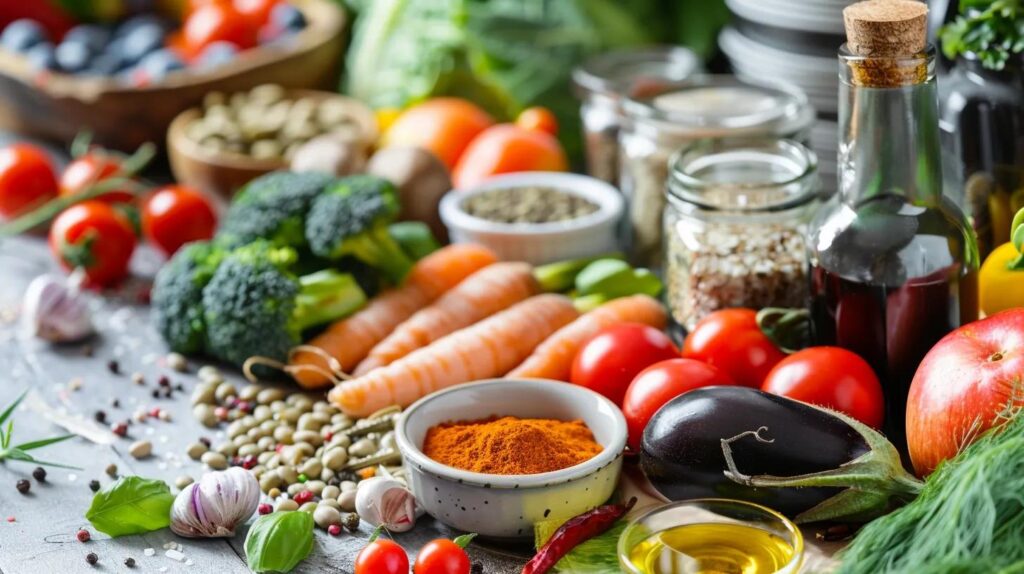
Good meal planning makes healthy choices the easiest choices. Block time for batch cooking, choose recipes that refrigerate or freeze well, and keep simple, portioned options on hand so you aren’t tempted by fast convenience foods. A little prep goes a long way toward consistency.
What are time-saving meal planning and portion control techniques?
Batch-cook proteins and grains, assemble grab-and-go containers, and use practical portion tools like measuring cups, a food scale, or pre-portioned containers. Plan a few repeatable meals you enjoy so shopping and prep are predictable—this reduces decision fatigue and keeps you on track all week.
How can mindful eating enhance weight loss success after 40?
Mindful eating means tuning into true hunger, slowing down, and noticing fullness before you overeat. Slowing your pace, removing distractions, and savoring flavors reduces emotional eating and improves satisfaction. Over time, this habit helps you make smaller, smarter choices without strict rules.
How does integrating exercise with nutrition enhance sustainable weight loss after 40?
Combining consistent movement with focused nutrition is the most reliable way to lose fat and keep it off. Exercise preserves and builds muscle, improves metabolic health, and supports mood and energy—making dietary changes easier to sustain. Think of nutrition and activity as partners, not substitutes.
What are the benefits of strength training for metabolism and hormonal balance?
Strength training counteracts age-related muscle loss, which raises resting calorie burn and helps body composition. Lifting also supports better glucose control and can improve mood and energy—important when hormones are fluctuating. Even two to three sessions a week make a meaningful difference.
What are optimal pre- and post-workout nutrition strategies for women over 40?
Before exercise, choose a small meal or snack with carbohydrates and some protein to fuel performance (for example, Greek yogurt with fruit or toast with nut butter). After workouts, prioritize protein with a bit of carbs to support recovery—think a protein shake, cottage cheese with fruit, or a chicken-and-quinoa bowl. Timing and portion size should fit your workout intensity and personal tolerance.
| Nutrition Strategy | Key Components | Benefits |
|---|---|---|
| High-Protein Diet | Lean meats, eggs, legumes, dairy | Preserves muscle, increases fullness |
| Fiber-Rich Foods | Whole grains, fruits, vegetables | Stabilizes blood sugar, promotes long-lasting fullness |
| Healthy Fats | Avocados, nuts, olive oil, fatty fish | Supports heart health, reduces inflammation |
Midlife weight loss brings distinct challenges, but it’s not impossible. With focused nutrition, regular strength work, and practical planning, you can protect muscle, stabilize energy, and lose weight in a way that lasts. Small, consistent changes add up—start with one habit this week and build from there.
Frequently Asked Questions
How much protein do I need after 40 to lose weight?
Most people do well with 25–40g per meal. A practical goal is 3 protein-forward meals per day, adjusted for your size and activity.
Should I avoid carbs after 40?
Not necessarily. The best approach is choosing higher-quality carbs and timing them around activity. Many people lose fat successfully with moderate carbs.
Is intermittent fasting good for weight loss after 40?
It can work if it helps you control calories and doesn’t cause overeating later. If fasting leads to low energy, poor sleep, or binge eating at night, a structured meal plan may be better.
Why am I eating healthy but not losing weight?
Portion creep (oils, nuts, snacks), alcohol, weekend intake, or inconsistent deficits are common causes. A short 7-day audit often reveals the issue.
What’s the fastest way to reduce belly fat after 40?
No plan targets belly fat specifically. The fastest sustainable method is a consistent calorie deficit + strength training + protein + fiber + quality sleep.
Conclusion
Weight loss after 40 is entirely achievable with the right approach: prioritize protein and fiber, include healthy fats and key micronutrients, move with strength-based work, and build simple, repeatable meal habits. These steps protect muscle, steady energy, and support lasting results. Ready to get started? Pick one change today—like adding a protein at every meal—and use our resources to keep the momentum going.