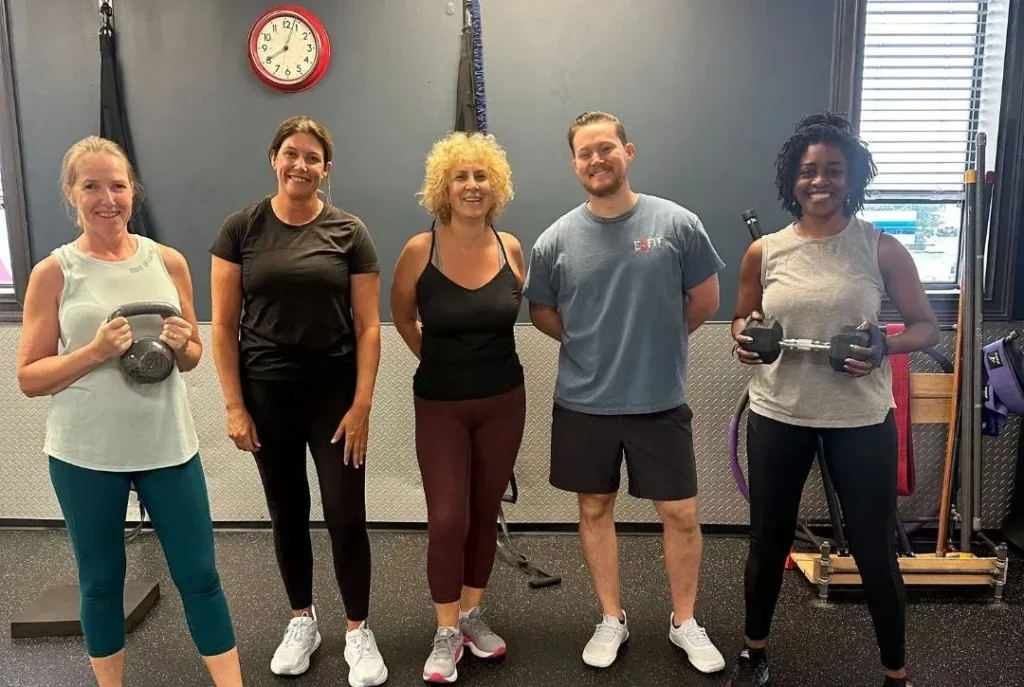
When it comes to joint friendly workouts, low-impact strength training, mobility work, and swimming rank among the best exercises for joint health after 40. E5FIT, a boutique fitness studio in Buckhead, Atlanta, uses Small-Group and 1-on-1 Personal Training, guided by Eric’s Precision Nutrition Level 1 certification, to build joint-friendly routines without contracts.
Low-impact, joint-friendly movements deliver the strongest results for adults over 40: range-of-motion exercises, strength training, and aerobic conditioning. Range-of-motion work reduces stiffness by moving joints through their full capacity. Strength training protects joints affected by arthritis, a condition impacting one in four American adults. E5FIT builds these principles into every personalized program.
Key Takeaways
Range-of-motion exercises combined with strengthening work eases arthritis pain and stiffness in aging joints.
One in four American adults experiences arthritis, making joint health critical for staying active after 40.
Aerobic exercise that raises heart rate protects joint function and supports long-term mobility in adults over 40.
Gentle, low-impact exercises prevent joint damage while maintaining strength and flexibility for everyday activities and responsibilities.
Why Do Joints Need Extra Care After 40?
Cartilage thins, synovial fluid production slows, and connective tissue loses elasticity as the body ages past 40. These shifts raise injury risk and make recovery slower after activity that once felt routine. E5FIT was built around this exact reality: the studio was founded specifically to address the fitness needs of adults over 40, who face joint and mobility challenges that generic gym programs rarely account for.
Joint pain is far more common than most people realize. As many as one in four American adults lives with arthritis, a leading cause of joint pain that interferes with daily tasks like climbing stairs or carrying groceries. That statistic underscores why joint friendly workouts matter long before pain becomes severe, not after.
Does Exercise Make Arthritis Worse?
Movement generally eases discomfort rather than worsening it. Even when stiffness makes the idea of moving unappealing, structured arthritis exercise helps joints move with more ease and less pain over time.
What Should a 40+ Training Plan Prioritize?
A smart approach balances challenge with joint protection:
Controlled range-of-motion work
Strength training to support surrounding muscles
Low impact fitness methods that limit jarring forces on hips, knees, and ankles
This combination reduces strain while preserving the strength adults need for daily independence.
What Are the Best Low-Impact Joint Exercises?
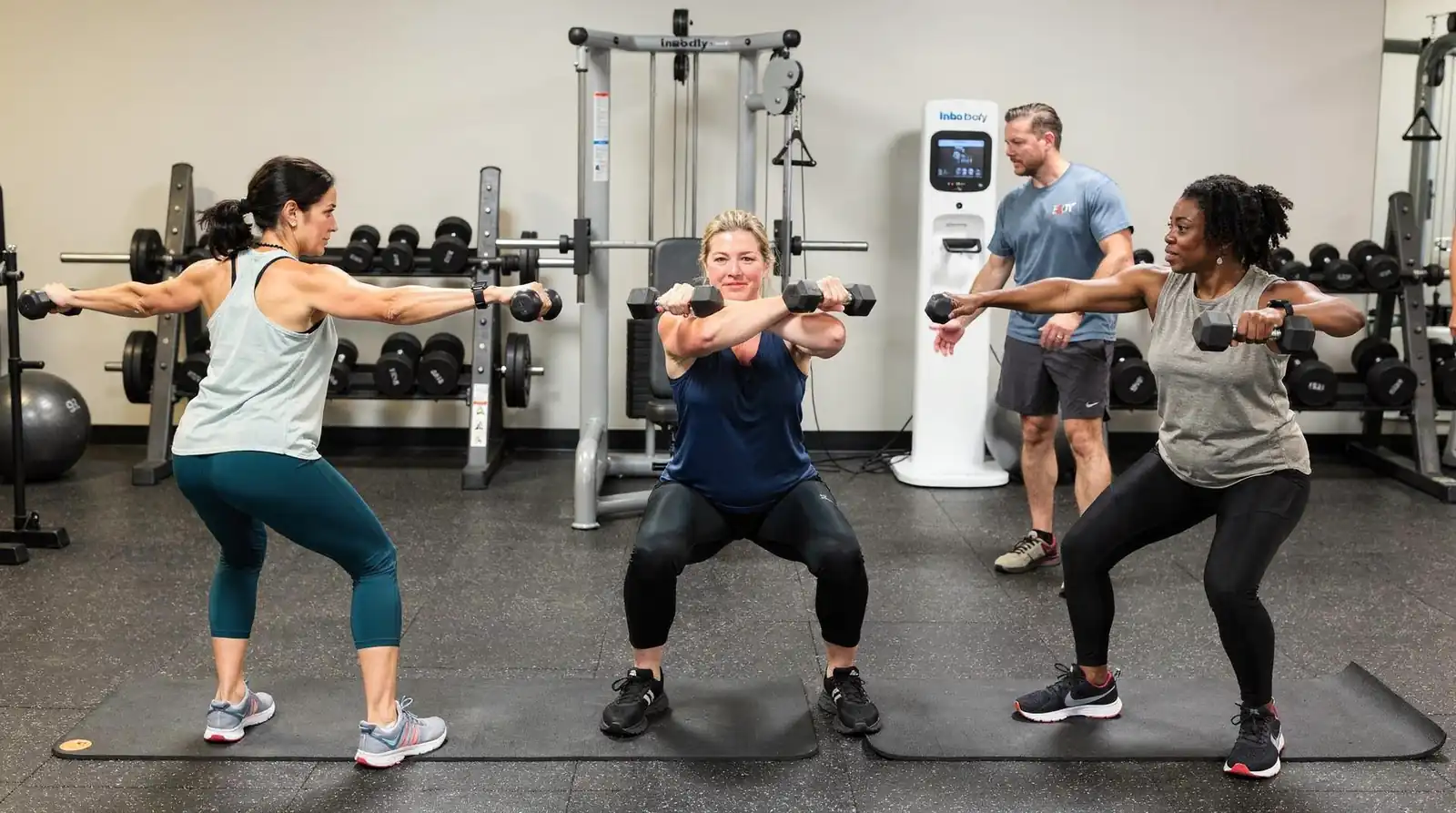
The best options combine range-of-motion work with strengthening moves that protect the joint itself. Range-of-motion exercises reduce stiffness by carrying each joint through its full arc of movement, every day. This daily habit keeps hips, knees, shoulders, and ankles from tightening up between workouts.
Strengthening exercises matter just as much. Building muscle around a joint gives it support. Shields it from extra stress during everyday tasks like climbing stairs or carrying groceries. Weak muscles leave joints exposed; strong ones absorb the load instead.
Which exercises are gentle enough for arthritic joints?
Adults managing arthritis in the hips, knees, or ankles are often steered toward low impact fitness routines that stay easy on the joints. This category includes swimming, cycling, and supervised resistance training — activities that build strength without pounding the joint surfaces. A qualified coach can adjust range, resistance, and pace to match each client’s comfort level.
How does a personalized program improve results?
Arthritis exercise works best when tailored to the individual, not pulled from a generic template. E5FIT’s Personal Training and Small Group Personal Training programs are built around each client’s specific needs and joint considerations, adjusting movement selection accordingly. That individualized structure is used to highlight the unique value proposition of the studio, since off-the-shelf routines rarely account for a stiff shoulder or a cranky knee.
Coaches design joint friendly workouts that blend mobility and strength, then refine the plan as the joint responds.
How Do You Build a Lasting Joint Routine?
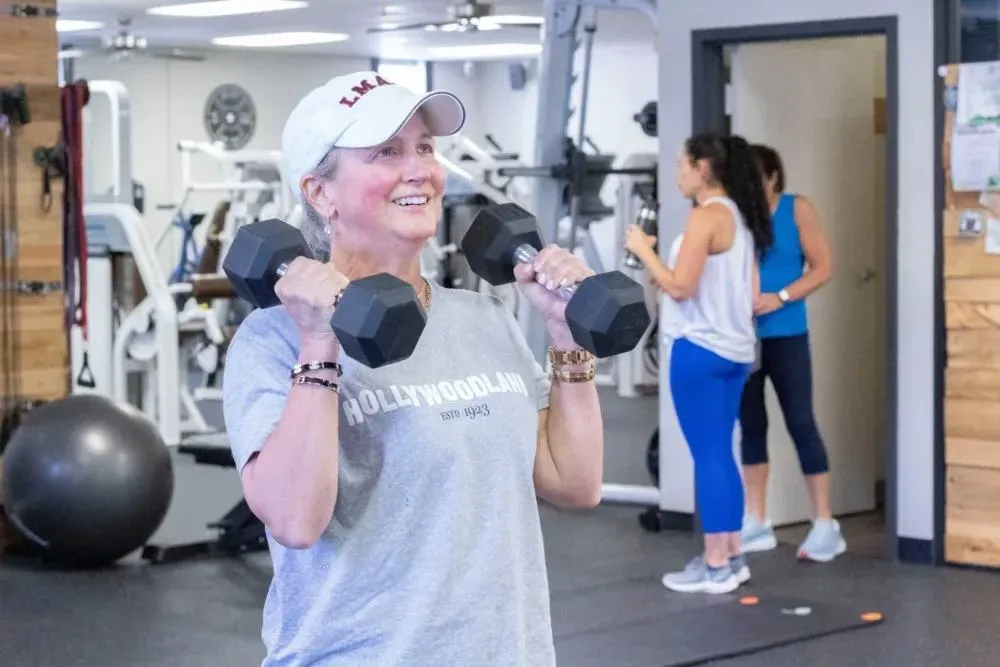
Consistency builds a lasting joint routine, not intensity. Small, repeatable sessions protect cartilage and surrounding muscle far better than sporadic, aggressive workouts. Regular, gentle movement stands as the single most powerful tool for shielding joints, easing stiffness, and preserving pain-free motion over the long run.
At E5FIT, that consistency starts with coaching credentials clients can verify. Coach Eric holds certifications in Strength and Conditioning (CSCS), kettlebell training, and Functional Movement Screening (FMS). These qualifications shape joint friendly workouts that prioritize efficient movement patterns. Lower injury risk, rather than chasing fatigue for its own sake.
What Makes a Routine Sustainable Long-Term?
Sustainability depends on flexible structure, not rigid obligation. E5Fit requires no contracts, so clients build an arthritis exercise habit at a pace their joints can actually tolerate. That freedom removes pressure and supports steady, injury-conscious progress.
Does Nutrition Play a Role in Joint Recovery?
Nutrition reinforces what training builds. Eric’s Precision Nutrition Level 1 certification supports habits that extend the benefits of a low impact fitness program between sessions. Recovery, inflammation control, and joint resilience all improve when movement and eating habits work together rather than in isolation.
A lasting routine, then, rests on three pillars:
Certified, movement-focused coaching
No-contract flexibility for sustainable pacing
Nutrition guidance that supports recovery
FAQ
Does exercise make arthritis worse?
No, movement generally eases discomfort rather than worsening it. Structured arthritis exercise helps joints move with more ease and less pain over time.
What should a training plan for adults over 40 prioritize?
A smart plan balances controlled range-of-motion work, strength training to support surrounding muscles, and low-impact methods that limit jarring forces on hips, knees, and ankles.
Which exercises work best for arthritic joints?
Low-impact activities like swimming, cycling, and supervised resistance training build strength without pounding joint surfaces. E5Fit’s personalized 1-on-1 and Small-Group Personal Training in Buckhead, Atlanta adjusts range, resistance, and pace to each client’s comfort level.
Conclusion
In closing, protecting your joints over 40 requires a deliberate approach grounded in evidence-based movement, progressive resistance, and personalized programming tailored to your individual needs and limitations. The exercises outlined here—low-impact cardio, strength training, mobility work, and functional movement patterns—form the foundation of sustainable joint health. Success depends not on intensity alone, but on consistency, proper form, and expert guidance that adapts as your body evolves. Working with certified coaches who understand the biomechanics of aging ensures your routine supports long-term mobility, reduces injury risk, and builds the resilience your joints demand for an active life ahead.