

As individuals age, maintaining physical health becomes increasingly vital for enhancing longevity and vitality. Strength training emerges as a powerful tool for those over 40, offering numerous benefits that extend beyond mere muscle building. This article delves into the evidence-based advantages of strength training, particularly for adults in this age group, and explores effective practices to incorporate into daily routines. Many people face challenges such as muscle loss, decreased metabolic health, and joint issues as they age.
However, strength training can combat these issues, promoting a healthier, more active lifestyle. We will cover the key benefits of strength training, effective exercises, anti-aging science, recovery strategies, nutritional support, and inspiring success stories.
What Are the Key Benefits of Strength Training for Adults Over 40?
Strength training provides a multitude of benefits specifically tailored for adults over 40, addressing both physical and mental health. Engaging in regular resistance training can significantly improve muscle mass, enhance metabolic health, and support joint health. These benefits are crucial for maintaining independence and quality of life as one ages. Fitness programs for older adults.
How Does Strength Training Reduce Sarcopenia and Support Muscle Mass?
Sarcopenia, the age-related loss of muscle mass, can be effectively mitigated through strength training. This form of exercise stimulates muscle hypertrophy, which is the increase in muscle size, by promoting the synthesis of muscle proteins. Engaging in resistance exercises such as weight lifting or bodyweight workouts can help maintain and even increase muscle mass, counteracting the effects of sarcopenia. Recommended exercises include squats, deadlifts, and resistance band workouts, which are particularly effective for building strength and muscle.
Resistance Training: Combating Age-Related Muscle Loss
Aging is inexorably accompanied by a progressive decline of muscle mass, quality and strength. The resulting condition has been termed sarcopenia. Age-related sarcopenia can be accelerated by a variety of factors including changes in the hormonal milieu, inactivity, poor nutrition, chronic illness, and loss of integrity and function in the peripheral and central nervous systems. The downstream mechanisms by which these risk factors cause sarcopenia are not completely understood. Exercise training (particularly resistance training) has long been identified as the most promising method for increasing muscle mass and strength among older people.
Resistance training and sarcopenia, F Giallauria, 2015
In What Ways Does Resistance Training Improve Metabolic and Joint Health?
Resistance training plays a vital role in enhancing metabolic health by improving insulin sensitivity and promoting fat loss. Studies indicate that regular strength training can lead to a significant reduction in body fat percentage, which is essential for preventing metabolic disorders such as type 2 diabetes.
Additionally, strength training supports joint health by strengthening the muscles surrounding joints, thereby reducing the risk of injury and improving overall mobility. This holistic approach to fitness ensures that individuals over 40 can maintain an active lifestyle with reduced discomfort.
Which Strength Training Exercises Are Most Effective for Muscle Growth After 40?
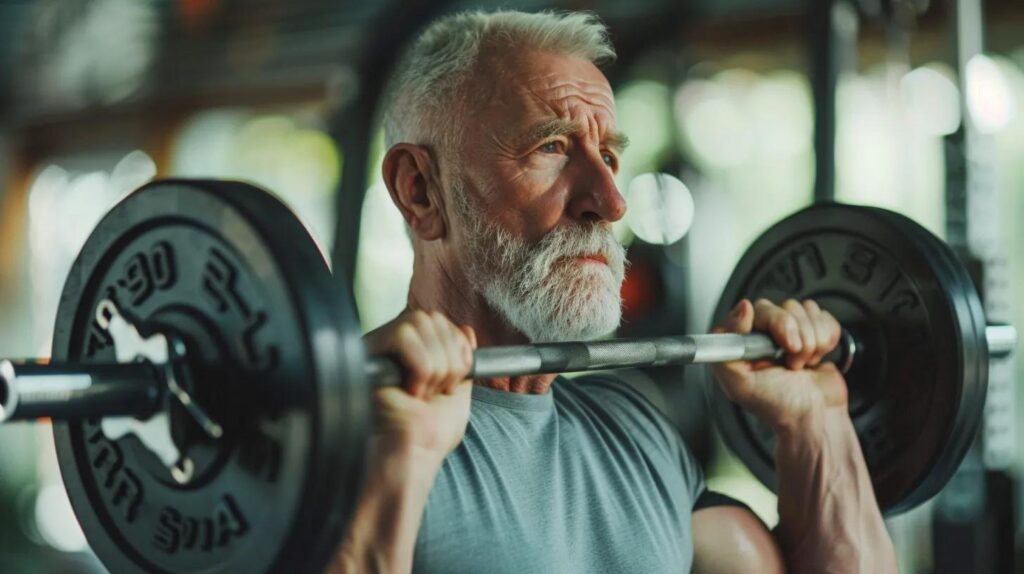
Identifying effective strength training exercises is crucial for maximizing muscle growth in older adults. A well-rounded program should include a variety of exercises that target different muscle groups while considering safety and joint health.
What Are Age-Appropriate Resistance Exercises for Seniors?
Age-appropriate resistance exercises for seniors include movements that are low-impact yet effective. Examples include: tai chi for seniors.
- Bodyweight Squats: Strengthen the lower body while minimizing joint strain.
- Seated Dumbbell Press: Targets shoulder muscles and improves upper body strength.
- Resistance Band Rows: Enhances back strength and posture without heavy weights.
These exercises can be easily modified to accommodate varying fitness levels, ensuring that seniors can participate safely.
How to Perform Joint-Friendly Strength Training Safely?
To perform joint-friendly strength training, it is essential to focus on proper form and technique. Key safety tips include: exercise programming for older adults.
- Warm-Up: Always begin with a warm-up to prepare the muscles and joints.
- Controlled Movements: Use slow, controlled movements to reduce the risk of injury.
- Listen to Your Body: Pay attention to any discomfort and adjust exercises accordingly.
By following these guidelines, individuals can engage in strength training safely and effectively.
How Does Anti-Aging Exercise Science Enhance Longevity and Vitality?
The science behind anti-aging exercise highlights the profound impact of physical activity on longevity and vitality. Regular strength training not only improves physical health but also enhances mental well-being, contributing to a higher quality of life.
Anti-Aging Strategies for Longevity and Health
The prevalence of age-related diseases is in an upward trend due to increased life expectancy in humans. Age-related conditions are among the leading causes of morbidity and death worldwide currently. Therefore, there is an urgent need to find apt interventions that slow down aging and reduce or postpone the incidence of debilitating age-related diseases. This review discusses the efficacy of emerging anti-aging approaches for maintaining better health in old age.
Emerging anti-aging strategies-scientific basis and efficacy, AK Shetty, 2018
What Scientific Evidence Supports Anti-Aging Benefits of Strength Training?
Research has shown that strength training can lead to significant improvements in longevity. Studies indicate that individuals who engage in regular resistance training experience lower mortality rates compared to those who do not. This is attributed to the positive effects of strength training on cardiovascular health, metabolic function, and overall physical fitness.
How Do Hormonal Changes Affect Muscle Growth and Aging?
As individuals age, hormonal changes can impact muscle growth and recovery. Testosterone and growth hormone levels decline, making it more challenging to build and maintain muscle mass. However, strength training can stimulate the release of these hormones, promoting muscle growth and enhancing recovery. Incorporating resistance training into a fitness regimen can help mitigate the effects of hormonal changes associated with aging.
What Are the Best Recovery and Injury Prevention Strategies for Adults Over 40?
Recovery and injury prevention are critical components of a successful strength training program for adults over 40. Implementing effective strategies can enhance performance and reduce the risk of injury.
How Does Proper Recovery Reduce Injury Risk in Senior Fitness?
Proper recovery techniques, such as adequate rest and active recovery days, play a vital role in reducing injury risk. Allowing muscles to recover helps prevent overuse injuries and promotes muscle repair. Incorporating activities like stretching, yoga, or light walking on rest days can aid in recovery while maintaining mobility. You should also consider fitness programs methods.
Which Recovery Techniques Support Muscle Maintenance and Longevity?
Several recovery techniques can support muscle maintenance and longevity, including: the science of recovery.
- Hydration: Staying hydrated is essential for muscle recovery and overall health.
- Nutrition: Consuming a balanced diet rich in protein and essential nutrients supports muscle repair.
- Sleep: Prioritizing quality sleep is crucial for recovery and hormonal balance.
These techniques collectively contribute to sustained muscle health and overall vitality.
How Should Nutrition and Supplementation Support Muscle Vitality After 40?

Nutrition and supplementation play a significant role in supporting muscle vitality as individuals age. A well-rounded diet, combined with appropriate supplements, can enhance the benefits of strength training.
What Nutritional Essentials Promote Muscle Building and Longevity?
Key nutritional essentials for muscle building and longevity include:
- Protein: Essential for muscle repair and growth; aim for lean sources such as chicken, fish, and legumes.
- Healthy Fats: Support hormone production and overall health; include sources like avocados and nuts.
- Vitamins and Minerals: Nutrients such as vitamin D and calcium are vital for bone health and muscle function.
Incorporating these nutrients into daily meals can significantly enhance muscle vitality.
Which Supplements Are Scientifically Proven to Aid Senior Muscle Health?
Several supplements have been shown to support muscle health in seniors, including: supplements for muscle growth.
- Creatine: Enhances muscle strength and recovery.
- Whey Protein: Supports muscle repair and growth post-exercise.
- Omega-3 Fatty Acids: Reduce inflammation and support joint health.
These supplements can complement a balanced diet and improve overall fitness programs outcomes.
What Real-Life Success Stories Demonstrate the Impact of Strength Training Over 40?
Real-life success stories highlight the transformative effects of strength training for individuals over 40. These narratives serve as inspiration for those considering incorporating strength training into their lives.
How Have Strength Training Programs Improved Vitality in Seniors?
Many seniors have experienced remarkable improvements in vitality through structured strength training programs. Participants often report increased energy levels, enhanced mobility, and improved mental clarity. These programs not only foster physical strength but also build confidence and a sense of community among participants.
What Metrics Show Enhanced Longevity Through Resistance Training?
Metrics such as improved muscle mass, increased bone density, and enhanced cardiovascular health demonstrate the benefits of resistance training. Studies indicate that individuals who engage in regular strength training have a lower risk of chronic diseases and a higher quality of life, underscoring the importance of incorporating strength training into fitness routines for longevity.
Frequently Asked Questions
What is the recommended frequency for strength training for adults over 40?
For adults over 40, it is generally recommended to engage in strength training at least two to three times per week. This frequency allows for adequate muscle recovery while promoting muscle growth and strength. Each session should ideally target all major muscle groups, ensuring a balanced approach to fitness. It’s important to listen to your body and adjust the frequency based on individual recovery needs and fitness levels. Consulting with a fitness professional can also help tailor a program that suits personal goals and capabilities.
Can strength training help with mental health in older adults?
Yes, strength training can significantly benefit mental health in older adults. Engaging in regular physical activity, including resistance training, has been linked to reduced symptoms of anxiety and depression. The release of endorphins during exercise can enhance mood and promote a sense of well-being. Additionally, the social aspect of group training can foster connections and reduce feelings of isolation. Overall, incorporating strength training into a routine can contribute to improved mental health and cognitive function as one ages.
Are there specific dietary changes needed to support strength training after 40?
Yes, dietary changes can greatly enhance the effectiveness of strength training for individuals over 40. A diet rich in protein is essential for muscle repair and growth, so incorporating lean meats, fish, legumes, and dairy is beneficial. Additionally, healthy fats from sources like avocados and nuts support hormone production, which is crucial for muscle maintenance. Staying hydrated and ensuring adequate intake of vitamins and minerals, particularly calcium and vitamin D, is also important for bone health and overall fitness programs. Consulting a nutritionist can help create a tailored eating plan.
How can seniors ensure they are using proper form during strength training?
To ensure proper form during strength training, seniors should prioritize education and practice. Working with a certified trainer can provide personalized guidance on technique and safety. Additionally, using mirrors or recording workouts can help individuals self-assess their form. Starting with lighter weights allows for a focus on technique before progressing to heavier loads. It’s also crucial to listen to the body and avoid pushing through pain, as this can lead to injury. Regularly reviewing and adjusting form is key to safe and effective training.
What role does flexibility training play in a strength training program for seniors?
Flexibility training plays a vital role in a comprehensive fitness programs for seniors. Incorporating stretching and flexibility exercises helps improve range of motion, which can enhance performance in strength training and reduce the risk of injury. Flexibility work also aids in recovery by alleviating muscle tightness and promoting relaxation. Activities such as yoga or dedicated stretching sessions can complement strength training routines, ensuring a balanced approach to fitness. Regular flexibility training can contribute to overall mobility and functional independence as one ages.
How can seniors track their progress in strength training?
Seniors can track their progress in strength training through various methods. Keeping a workout journal to log exercises, weights, and repetitions can provide a clear record of improvements over time. Additionally, taking regular measurements of muscle mass, body composition, and strength levels can help gauge progress. Setting specific, achievable goals can also motivate individuals to stay committed to their training. Finally, periodic assessments with a fitness professional can provide valuable feedback and adjustments to the training program, ensuring continued progress and safety.
Conclusion
Strength training offers transformative benefits for individuals over 40, enhancing muscle mass, metabolic health, and joint stability. By incorporating resistance exercises into daily routines, seniors can significantly improve their quality of life and maintain independence as they age. Embrace the power of strength training to foster vitality and longevity in your life. Discover our tailored fitness programs designed specifically for older adults today.