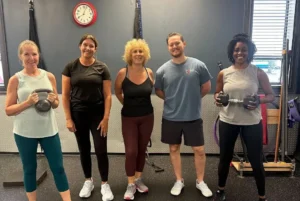

Aging can make maintaining health harder. Personal training gives older adults tailored plans that target physical function, cognitive wellbeing and social engagement. This article outlines those benefits and explains how certified trainers assess needs and develop customised programmes to support independence and quality of life.
Physical Health Improvements
Personal training for seniors focuses on mobility, strength and overall fitness. Individualised programmes reduce fall and injury risk by prescribing progressive strength and mobility routines based on an initial assessment, helping clients move more safely and stay independent.
Structured options such as fitness programs offer supervised plans with measurable goals. E5 Fit provides senior-specific approaches to help older adults remain active and healthy.
Mental Benefits
Regular, supervised exercise improves mood, self-esteem and mental health. Working with a trainer also boosts adherence through accountability, helping seniors sustain routines and gain cognitive and emotional benefits over time.
Social Engagement
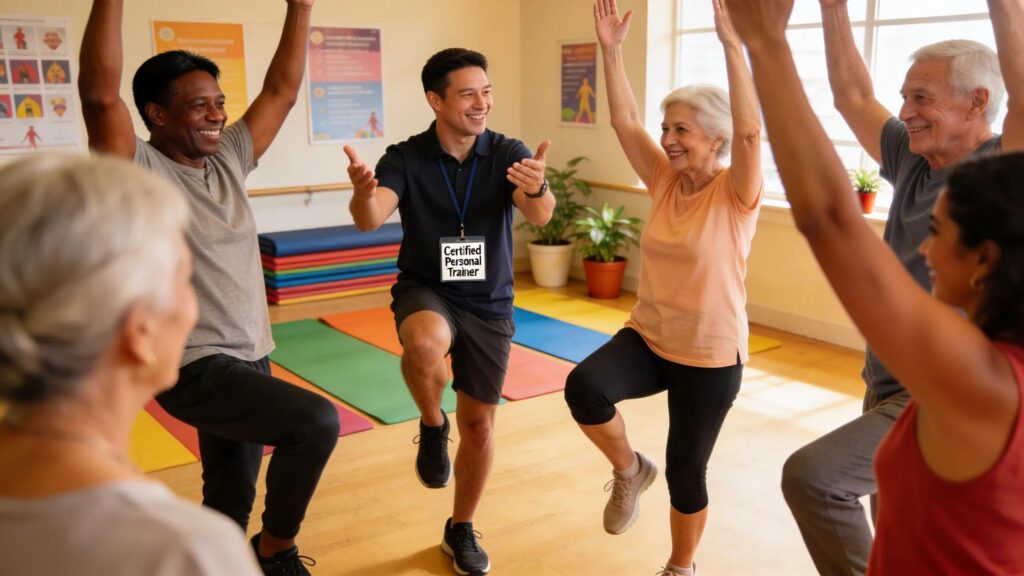
Organised activity reduces isolation and builds community ties. Small group training sessions led by certified trainers create supportive environments where peers encourage one another and improve motivation, helping seniors stay engaged.
What Are the Key Physical Benefits of Personal Training for Seniors?
Personal training produces concrete benefits that support active ageing. Key advantages include: personal training.
- Strength Training: Personalized strength work helps preserve muscle mass and bone density, supporting mobility and balance.
- Improved Balance and Flexibility: Regular exercises reduce fall risk and improve range of motion.
- Enhanced Cardiovascular Health: Tailored aerobic work increases endurance and supports heart health.
The Importance of Fitness as We Age
As the body ages, natural physiological changes occur. Muscle mass gradually declines, bone density decreases, metabolism slows, and balance may become less stable. Without regular physical activity, these changes can accelerate, increasing the risk of falls, chronic health conditions, and loss of independence.
A structured fitness program guided by a qualified personal trainer helps counteract these age-related challenges by targeting the areas that matter most:
- Functional strength
- Balance and coordination
- Flexibility and mobility
- Cardiovascular health
- Joint stability
- Daily movement efficiency
The result is not simply better fitness—it is a higher quality of life.
How Does Strength Training Improve Senior Mobility and Balance?
Resistance training counteracts age-related muscle loss and improves functional strength. Targeted programmes for older adults enhance balance and the ability to perform daily tasks independently.
What Cardiovascular Benefits Can Seniors Expect from Personalized Exercise?
Tailored aerobic activities—walking, swimming or cycling—are chosen to fit capacity and progress safely. Regular aerobic work can lower resting heart rate and support overall cardiovascular health when combined with strength and flexibility work.
How Do Personalized Fitness Programs Support Senior Wellness Goals?
Trainers begin with assessments to build customised plans mixing strength, flexibility and safe cardiovascular activity. Plans are adjusted for medical history and functional goals so seniors improve efficiently and safely.
What Role Do Certified Personal Trainers Play in Developing Senior Fitness Plans?
Certified trainers bring qualifications and clinical awareness to design safe, effective programmes. They adapt exercise selection and intensity for medical conditions and physical limitations to keep sessions both productive and safe.
How Does Small Group Training Enhance Motivation and Adherence Among Seniors?
Small groups provide peer support and accountability, increasing motivation and making exercise more enjoyable. The group dynamic helps participants keep consistent practice toward their goals.
What Safety Guidelines Should Seniors Follow When Engaging in Personal Training?
Safety is essential. To reduce injury risk, seniors should follow evidence-based precautions:
- Proper Warm-Up and Cool-Down: Begin and end workouts with appropriate warm-up and cool-down routines.
- Hydration: Stay hydrated before, during and after exercise.
- Listening to the Body: Respect limits and avoid pushing beyond what feels safe.
Which Exercises Are Safest and Most Effective for Older Adults?

Low-impact activities like walking, swimming and yoga balance safety and effectiveness, improving flexibility, balance and strength while limiting joint stress. Consistent practice yields measurable functional gains.
How Do Trainers Adapt Workouts to Prevent Injuries in Senior Clients?
Trainers lower injury risk by performing thorough assessments and modifying exercises for health status, past injuries and fitness level. This personalised approach keeps sessions effective, safe and engaging.
What Evidence Supports the Effectiveness of Senior Personal Training Programs?
Clinical studies show that tailored exercise programmes improve physical function, health markers and quality of life in older adults. These results support including fitness in comprehensive care for ageing populations.
What Recent Studies Show Reduced Fall Risk Through Personal Training?
Recent research reports reductions in fall risk for seniors following personalised programmes. Specific strength and balance fitness programs improve stability and coordination, and supervised training ensures proper technique to further lower risk.
How Do Market Trends Reflect Growing Demand for Senior Fitness Subscriptions?
Awareness of fitness benefits among older adults is boosting demand for subscription services tailored to seniors. Providers are expanding mobility, strength and wellbeing programmes as part of a broader move toward holistic care. For personalised support, consider exploring small group personal training, and see their FAQs for more details.
Why Seniors Trust E5Fit
At E5Fit, we understand that fitness after 60 is not about chasing athletic performance—it’s about maintaining strength, independence, vitality, and confidence for years to come.
Our experienced trainers take a personalized approach to every client, creating programs that are:
- Safe and age-appropriate
- Goal-oriented
- Progressive and sustainable
- Focused on functional movement
- Designed for long-term health
Whether you’re looking to improve balance, build strength, manage a health condition, or simply feel your best, our team is committed to helping you achieve meaningful and lasting results.
Frequently Asked Questions
What specific health conditions can personal training help address in seniors?
Personal training can help seniors with arthritis, osteoporosis, heart disease and diabetes by improving mobility, strength and cardiovascular fitness while respecting medical limits. Trainers tailor low-impact and progressive strength work to manage pain and support bone density, collaborating with clients for safe progress.
How often should seniors engage in personal training sessions?
Frequency depends on goals and baseline fitness, but two to three supervised sessions per week plus independent activity usually produces measurable improvements in strength, balance and endurance.
Can seniors participate in personal training if they have mobility limitations?
Yes. Certified trainers adapt routines—seated options, upper-body work and targeted flexibility exercises—so clients can progress safely at their own pace.
Are there any psychological benefits to group personal training for seniors?
Group training increases social interaction and a sense of community, reducing loneliness and boosting motivation and confidence as participants pursue shared goals.
What should seniors look for when choosing a personal trainer?
Look for trainers with senior-fitness certifications and experience with older adults. They should understand medical considerations, communicate clearly and demonstrate patience; client reviews can help evaluate fit.
How can personal trainers assist with nutrition for seniors?
Many trainers give basic nutritional guidance to support muscle maintenance, bone health and energy. For detailed meal plans, consult a registered dietitian.
What role does technology play in personal training for seniors?
Technology—virtual sessions, fitness apps and wearable trackers—helps monitor progress, deliver demonstrations and send reminders. Trainers use these tools to adjust programmes and support home training when needed.
Why Seniors Trust E5Fit
At E5Fit, we understand that fitness after 60 is not about chasing athletic performance—it’s about maintaining strength, independence, vitality, and confidence for years to come.
Our experienced trainers take a personalized approach to every client, creating programs that are:
- Safe and age-appropriate
- Goal-oriented
- Progressive and sustainable
- Focused on functional movement
- Designed for long-term health
Whether you’re looking to improve balance, build strength, manage a health condition, or simply feel your best, our team is committed to helping you achieve meaningful and lasting results.
Conclusion
Personal training supports seniors’ physical, mental and social health by improving mobility, wellbeing and community engagement. Tailored programmes and qualified supervision help older adults meet specific goals safely. Consider personalised training options and contact a provider to begin a structured plan toward improved wellbeing.
At E5Fit, we believe age should never be a barrier to living actively and independently. With the right training program and professional guidance, it’s possible to stay strong, capable, and energized at every stage of life. Investing in personal training today is an investment in your long-term health, mobility, and overall well-being—one that continues to pay dividends for years to come.