Shoulder pain limits function and quality of life. This guide summarizes evidence-informed mobility and strengthening exercises, recovery strategies, and professional considerations to restore range of motion, reduce pain, and rebuild shoulder capacity.
Mobility Drills
Mobility drills reduce stiffness and restore joint flexibility. Simple, regular work — dynamic stretches and myofascial release (for example, foam rolling) applied to the shoulder and upper back — helps maintain functional motion for daily tasks and sport.
Importance of Joint Mobility
Maintaining mobility prevents compensatory patterns that increase injury risk and prolong symptoms. Our white label link building services
Types of Mobility Drills

- Arm Circles: Rotational arm motions to warm and mobilize the shoulder.
- Shoulder Pass-Throughs: Use a band or stick to move the arms overhead and behind the body, improving shoulder flexion and scapular mobility.
- Foam Rolling: Release the upper back and shoulder area to reduce tension and improve range.
Strength Training
Progressive strength work stabilizes the joint and lowers recurrence risk. Start with low-impact tools (bands, bodyweight) and increase load as pain and control allow.
Importance of Resistance Band Exercises
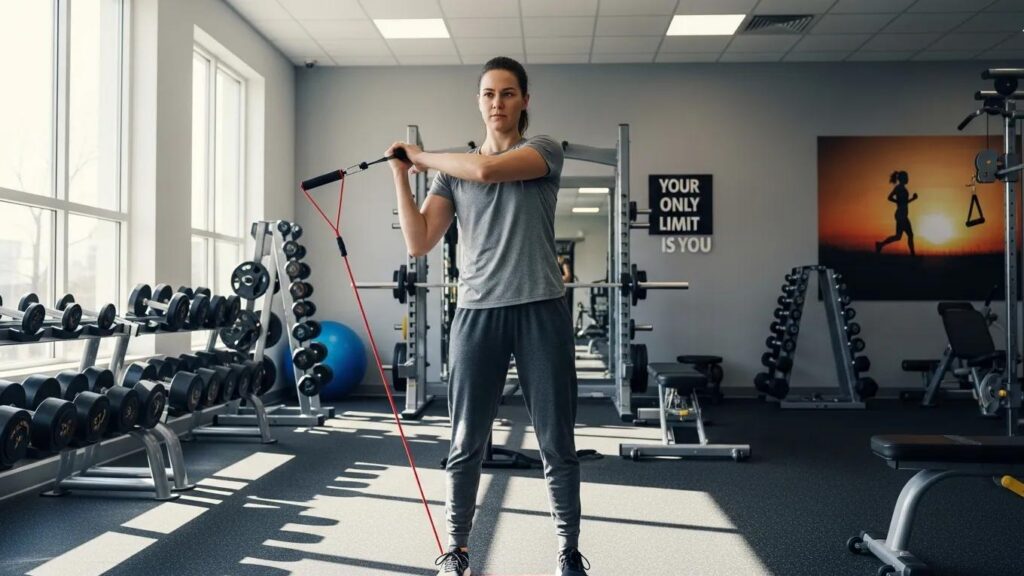
Elastic bands provide adjustable, joint-friendly resistance for targeting rotator cuff and scapular muscles with exercises like external rotation and band pull-aparts.
Clinical studies indicate that elastic resistance training can improve shoulder function and range of motion, particularly after rotator cuff repair.
Resistance Band Exercises for Shoulder Pain, Mobility & Function
Purpose: This study evaluated the effect of elastic-band resistive exercise on range of motion, function, and shoulder pain. Methods: Forty-two individuals who had undergone rotator cuff repair were allocated to treatment (n=21) or comparison (n=21) groups. Six weeks after surgery, the treatment group completed four weeks of elastic-band exercise while the comparison group did not. Range of motion was measured with a goniometer; function was assessed with a modified instrument; pain was recorded on a numerical rating scale. Data were analyzed using chi-square, Fisher’s exact test, t-test, and Mann–Whitney test. Results: The treatment group showed a non-significant trend toward greater range of motion and a statistically significant improvement in function (p = .015).
Effects of resistance exercise using elastic band on range of motion, function and shoulder pain among patients with rotator cuff repair, 2007
Bodyweight Exercises for Shoulder Strength

- Push-Ups: Scalable for strength and pressing control.
- Plank to Downward Dog: Builds shoulder endurance and full-body stability.
- Wall Angels: Trains scapular motion and upper-back engagement.
E5 Fit offers products and guides that can support shoulder pain exercises.
Functional Movements
Functional exercises connect core and shoulder control so gains transfer to daily tasks. Choose movements that emphasize balance, coordination, and safe loading.
Engagement of Core and Upper Body
Integrating core stability with upper-body drills improves force transfer and shoulder control during compound tasks.
Examples of Functional Movements
- Kettlebell Swings: Dynamic hip-driven work that also challenges shoulder control.
- Turkish Get-Ups: Complex, full-body sequencing that strengthens the shoulder under stability demands.
- Medicine Ball Throws: Develop shoulder power with attention to safe progression.
Core Stability Exercises
A stable core is the base for efficient shoulder mechanics and safer exercise progression.
Importance of Core Stability
Good core control improves force transfer between torso and shoulder and supports rehabilitation outcomes.
Examples of Core Exercises
- Planks: Build foundational core endurance.
- Dead Bugs: Coordinate limb control with core stability.
- Bird Dogs: Integrate core and posterior chain with shoulder involvement.
Postural Awareness
Improving posture reduces chronic strain on the shoulder and corrects muscular imbalances.
Importance of Posture in Shoulder Health
Maintaining alignment during daily tasks lowers shoulder load and supports long-term function.
Examples of Postural Exercises
- Shoulder Blade Squeezes: Reinforce scapular retraction and upper-back strength.
- Chin Tucks: Improve head and neck alignment to reduce shoulder stress.
- Wall Slides: Combine mobility with postural control.
Recovery Techniques
Recovery supports tissue repair and reduces soreness. Combine scheduled rest with active recovery to aid circulation without overstressing the shoulder.
Importance of Scheduled Rest Days
Planned rest allows biological adaptation; pair with light activity to maintain mobility.
Active Recovery Techniques
- Gentle Yoga: Promotes relaxation and flexibility.
- Light Swimming: Low-impact movement that preserves range.
- Foam Rolling: Relieves tightness around the shoulder girdle.
E5 Fit also provides wellness programming and recovery resources useful for rehabilitation plans.
Expert Guidance
Work with a certified trainer or licensed physical therapist to ensure exercise selection, dosage, and progression match clinical goals and tissue healing.
Benefits of Personalized Feedback
Individualized assessment identifies deficits and guides a tailored program for safer, faster recovery.
Importance of Safe Exercise Performance
Correct technique prevents setbacks; professional coaching supplies corrective cues and progression criteria.
What Are the Key Shoulder Anatomy and Common Injury Types?
Understanding the rotator cuff, joint capsule, and surrounding muscles helps target rehabilitation appropriately. Prevent rotator cuff injuries.
Which Structures Are Involved in Shoulder Pain and Mobility?
Key structures include rotator cuff tendons, the glenohumeral capsule, and periscapular musculature — all important for shoulder pain exercises stability and motion.
How Do Rotator Cuff Injuries Affect Shoulder Function?
Rotator cuff pathology typically causes pain, weakness, and reduced range, which should guide corrective exercise programming choices.
What Are Safe Rotator Cuff Exercises for Rehabilitation?
Choose low-load, controlled exercises and progress only as pain and clinical guidance allow.
Which Exercises Target Rotator Cuff Muscles Safely?
- External Rotations: Band-based rotations to strengthen the cuff.
- Scapular Retractions: Train the upper back to support shoulder mechanics.
- Isometric Shoulder Abductions: Gentle loading without excessive motion.
How Should Rotator Cuff Rehab Exercises Progress?
Advance gradually from passive to active-assisted to active work, increasing resistance and complexity only when tolerated and cleared clinically. Swimmers shoulder
Clinical guidance emphasizes careful progression after rotator cuff repair, including pain management and staged restoration of range of motion.
Post-Operative Rotator Cuff Rehab: Pain, ROM, & Exercise Progression
During post-operative rehabilitation following rotator cuff repair, consistent communication with the surgical team is essential. Clinicians must consider complication management, tendon healing potential, and the regional anatomy. Early rehabilitation priorities include reducing pain and inflammation, followed by progressive restoration of range of motion. Advancement should proceed from passive to active-assisted and then to active movements to introduce stress to the repair gradually. Although timelines vary, excessive stress should be avoided for up to 12 weeks to allow tendon-to-bone healing. As progression continues, therapy typically emphasizes scapular muscle activation first, followed by isometric exercises, and later isotonic rotator cuff strengthening.
Rotator cuff repair: post-operative rehabilitation concepts, 2018
How Can Shoulder Mobility Drills Relieve Pain and Improve Range of Motion?
Regular mobility work increases tissue flexibility, reduces stiffness, and supports safer movement patterns that lower pain during activity.
What Are Effective Mobility Drills for Shoulder Pain Relief?
- Pendulum Swings: Gentle pendulum motion to loosen the joint.
- Cross-Body Stretch: Stretch the posterior shoulder to reduce tension.
- Wall Angels: Combine mobility with postural retraining.
How Do Mobility Exercises Support Long-Term Shoulder Health?
Consistent mobility preserves range, reduces stiffness, and helps sustain function when integrated into ongoing fitness habits.
Which Strengthening Routines Support Upper Body Stability Post-Injury?
Use controlled, progressive programs that emphasize form, balanced muscle development, and gradual load increases. Barbell bench press.
How to Safely Build Shoulder Strength After Injury?
- Gradual Resistance Increase: Begin light and progress slowly.
- Focus on Form: Prioritize technique over load to prevent setbacks.
- Incorporate Variety: Target all relevant muscles to restore balanced strength.
What Role Do Progressive Workouts Play in Shoulder Rehab?
Systematic progression drives adaptation while minimizing overload; monitor symptoms and adjust accordingly.
Frequently Asked Questions
What types of professionals can assist with shoulder rehabilitation?
Professionals such as physical therapists, certified trainers, and orthopedic specialists are key in shoulder rehabilitation. They provide personalized assessments, develop tailored exercise programs, and ensure safe progression. Physical therapists focus on restoring function and managing pain, while trainers can help with strength and conditioning. Consulting with these experts ensures that rehabilitation aligns with individual needs and clinical goals, promoting effective recovery and preventing future injuries.
How can I tell if my shoulder rehabilitation exercises are effective?
Effectiveness can be gauged by monitoring improvements in pain levels, range of motion, and functional abilities. If you notice reduced discomfort during daily activities, increased flexibility, and the ability to perform exercises with better form, these are positive indicators. Additionally, regular check-ins with a healthcare professional can provide objective assessments and adjustments to your program, ensuring that you are on the right track toward recovery.
What role does nutrition play in shoulder rehabilitation?
Nutrition plays a crucial role in recovery by providing the necessary nutrients for tissue repair and reducing inflammation. A balanced diet rich in protein, healthy fats, vitamins, and minerals supports muscle recovery and overall health. Foods high in omega-3 fatty acids, antioxidants, and anti-inflammatory properties can be particularly beneficial. Staying hydrated is also essential for optimal joint function and recovery. Consulting a nutritionist can help tailor dietary choices to support your rehabilitation goals.
Are there any alternative therapies that can aid shoulder rehabilitation?
Yes, alternative therapies such as acupuncture, massage therapy, and chiropractic care can complement traditional rehabilitation methods. These therapies may help alleviate pain, reduce muscle tension, and improve circulation, which can enhance recovery. However, it’s important to discuss these options with your healthcare provider to ensure they align with your rehabilitation plan and do not interfere with your progress.
What should I do if my shoulder pain returns after rehabilitation?
If shoulder pain returns after completing rehabilitation, it’s essential to reassess your condition. Consult with a healthcare professional to identify potential causes, which may include overuse, improper technique, or underlying issues. They may recommend a modified exercise program, additional imaging, or further evaluation to address the pain effectively. Early intervention can prevent further complications and support a more sustainable recovery.
How can I incorporate shoulder exercises into my daily routine?
Incorporating shoulder exercises into your daily routine can be achieved by setting specific times for workouts, such as during breaks or before bed. Use reminders or schedule them into your calendar. Additionally, integrate mobility drills into your warm-up or cool-down for other activities. Consistency is key, so aim for short, frequent sessions rather than long, infrequent workouts to maintain shoulder health and function.
What are the signs that I should seek professional help for shoulder pain?
Seek evaluation for persistent or severe pain, swelling, major loss of motion, functional loss, or neurological symptoms (numbness, tingling).
How long does it typically take to recover from shoulder rehabilitation exercises?
Timelines vary: mild problems may improve in weeks; larger injuries or repairs can take months. Follow a clinician’s plan for individualized pacing.
Can I perform shoulder rehabilitation exercises at home?
Many mobility and low-load strength exercises for knee pain are suitable for home programs, but obtain instruction to ensure correct technique and safety.
What should I do if I feel pain during shoulder rehabilitation exercises?
Stop if pain worsens, reassess technique, reduce intensity or regress the exercise, and consult a professional if pain persists.
Are there any specific precautions I should take while rehabilitating my shoulder?
Warm up, prioritize form, avoid painful movements, progress gradually, and schedule rest. Professional guidance can tailor precautions to your case.
How can I maintain shoulder health after completing rehabilitation?
Continue mobility and strength work, monitor posture, and have periodic professional check-ins to sustain gains.
Conclusion
Focused mobility, progressive strengthening, recovery strategies, and expert oversight restore shoulder function and reduce recurrence risk. Use structured, symptom-guided progression and consult qualified professionals to implement an evidence-informed rehabilitation plan.
Implementing targeted mobility and strength exercises, along with recovery techniques, can significantly enhance shoulder function and minimize the risk of future injuries. By following a structured rehabilitation plan and seeking guidance from qualified professionals, individuals can ensure a safe and effective recovery process. Prioritizing consistent practice and proper technique will lead to long-term improvements in shoulder health. Start your journey to pain-free movement by exploring our comprehensive shoulder pain exercises and expert support today.